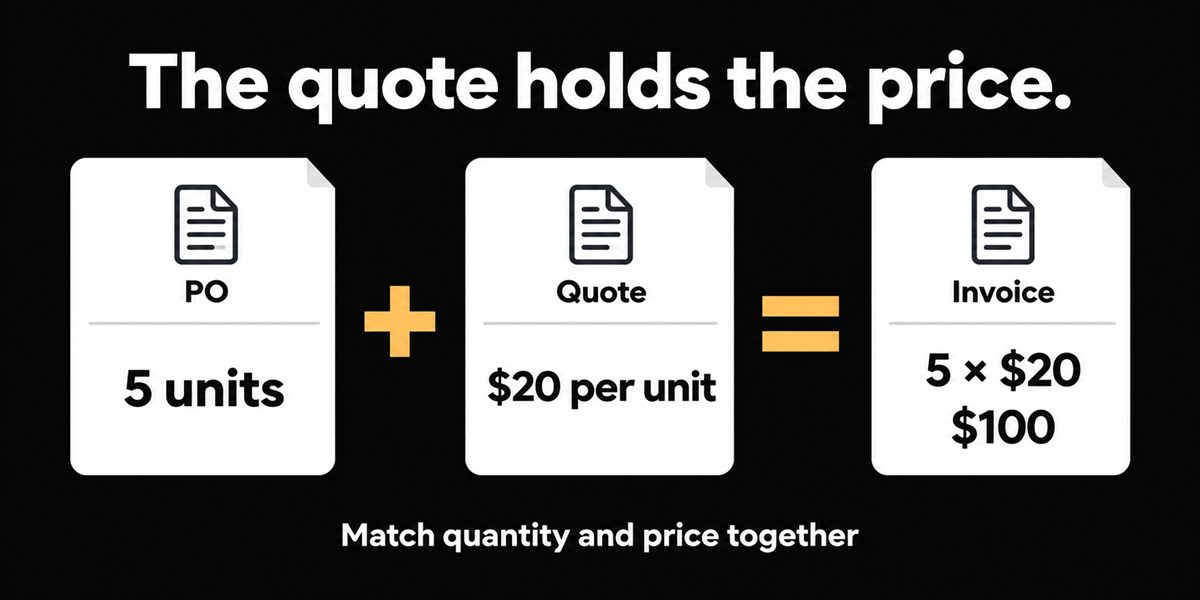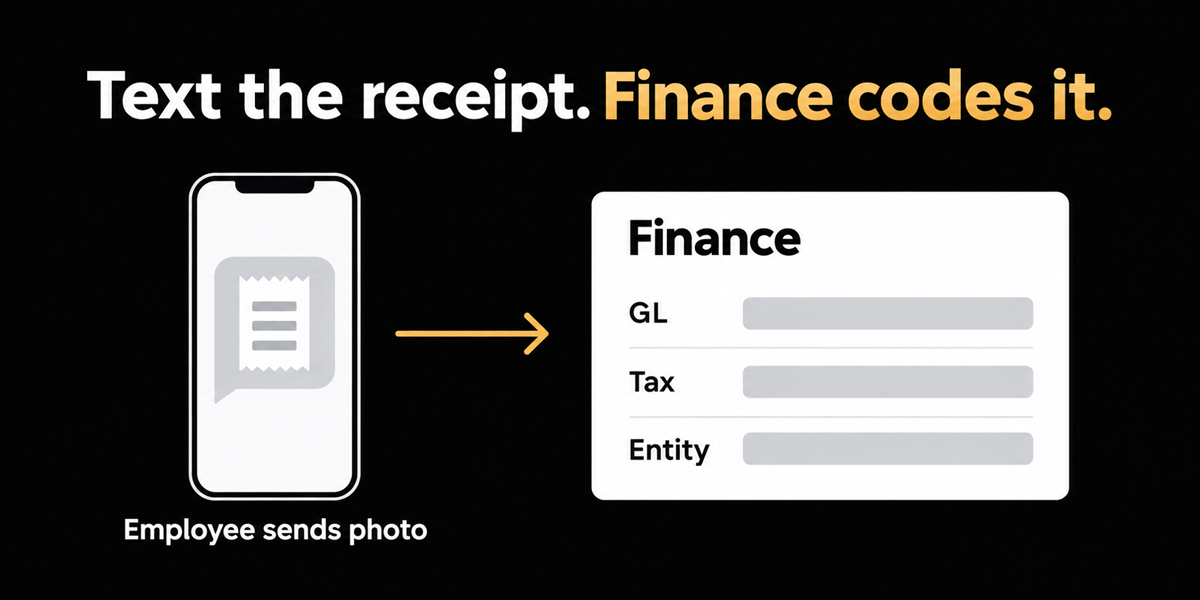
Cost per invoice is the most cited AP efficiency metric. Most guidance on reducing it stops at 'automate your AP.' This guide goes to the component level, showing which cost drivers are largest and what specific actions reduce each one.
Excel persists in AP processes not because it is the best tool but because it is the available tool. Understanding exactly where and why Excel fills gaps in the AP workflow tells you which capabilities the AP platform needs to cover to make the transition stick.
Multi entity AP operations face structural complexity that single entity automation projects do not. Each additional entity multiplies the vendor master, the compliance requirements, and the treasury visibility challenge. Here is how to address the specific issues that derail multi entity AP projects.
Exception rate is one of the most important AP maturity metrics and one of the least commonly tracked. Here are the benchmark ranges, what drives exception rate up, and the specific interventions that bring it down.
Dynamic discounting turns the AP function into a source of financial return. When cash is available and suppliers need liquidity, early payment offered at a discount rate creates value for both sides. Here is how to build the program and what it requires to work.
Month end close delays are frequently traced to incomplete AP data. Invoices still in the approval queue, accruals estimated because actual invoices are not processed, and payment timing uncertainty all extend the close cycle. AP automation addresses each one.
External audits of the AP function test whether controls are designed well and operating consistently. Manual AP processes fail the second test repeatedly. Here is what automation changes and why it compresses audit preparation time.
Invoice processing cycle time is one of the most widely cited AP metrics and one of the most inconsistently measured. Here are the current benchmarks, what they actually measure, and how to use them to assess your own performance accurately.
Duplicate payments are one of the most preventable forms of financial leakage in AP. They are also consistently underestimated. Here is what causes them, what AI does differently from manual detection, and what the financial case looks like.
Most CFOs have a view of what has been paid. Few have a real time view of what is in the pipeline to be paid and when. That gap creates cash forecasting errors, missed discount windows, and covenant compliance uncertainty.
AP process variation across entities costs more than most finance leaders realize. Inconsistent controls, fragmented data, and duplicate vendor records compound with each acquisition. Here is a practical approach to standardization that does not require shutting down local operations.
The cost difference between manual and automated AP is well documented in aggregate. The more useful comparison is specific: what does each cost component actually look like, and where does the automation investment pay back first?
AP automation is usually justified on internal efficiency grounds. The external impact on supplier relationships is equally significant and rarely quantified. Here is what changes for suppliers and why it matters commercially.
Finance leaders often use digitization and automation interchangeably. They describe different things. Understanding the distinction determines where an AP improvement investment should start.
Approval workflows that make sense at 50 people break down at 200 and create serious control gaps at 500. Here is how to design an approval hierarchy that scales with the business without requiring a complete rebuild at each growth stage.
A significant share of AP team time is spent answering supplier questions that could be answered by a portal. Self service access to invoice status and payment information is the simplest way to reduce AP inquiry volume without adding headcount.
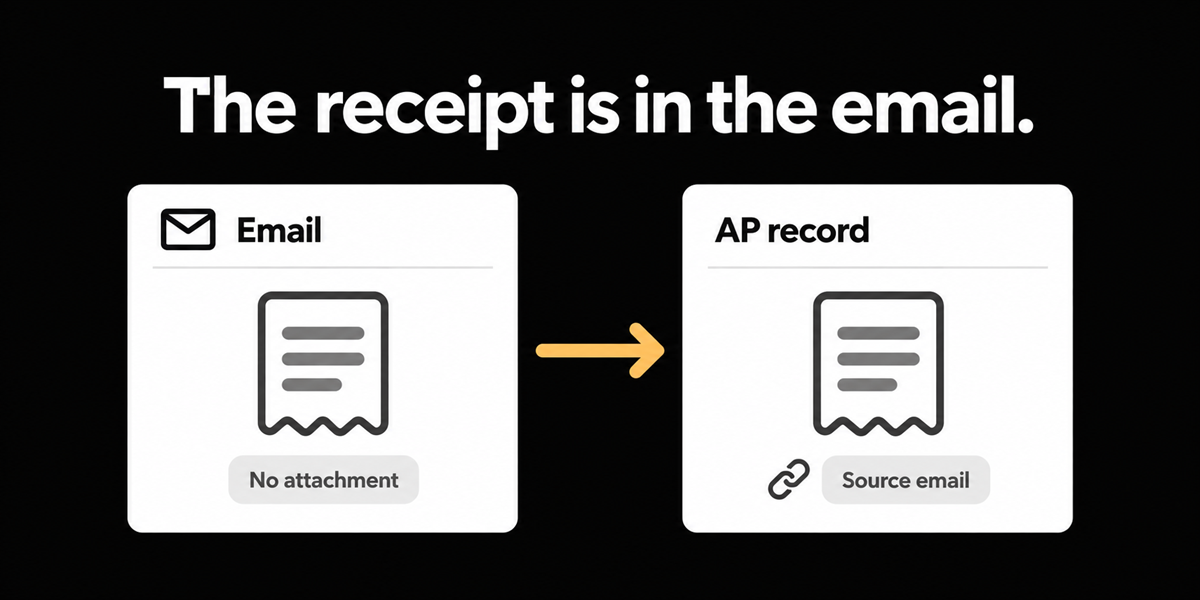
Most invoices still arrive via email. The AP inbox is where automation projects most commonly break down. Here is how to convert an unstructured email channel into a reliable, high volume automated intake process.
Straight through processing means an invoice moves from receipt to payment without human intervention. Achieving it at scale requires more than good OCR. Here is what it actually takes.