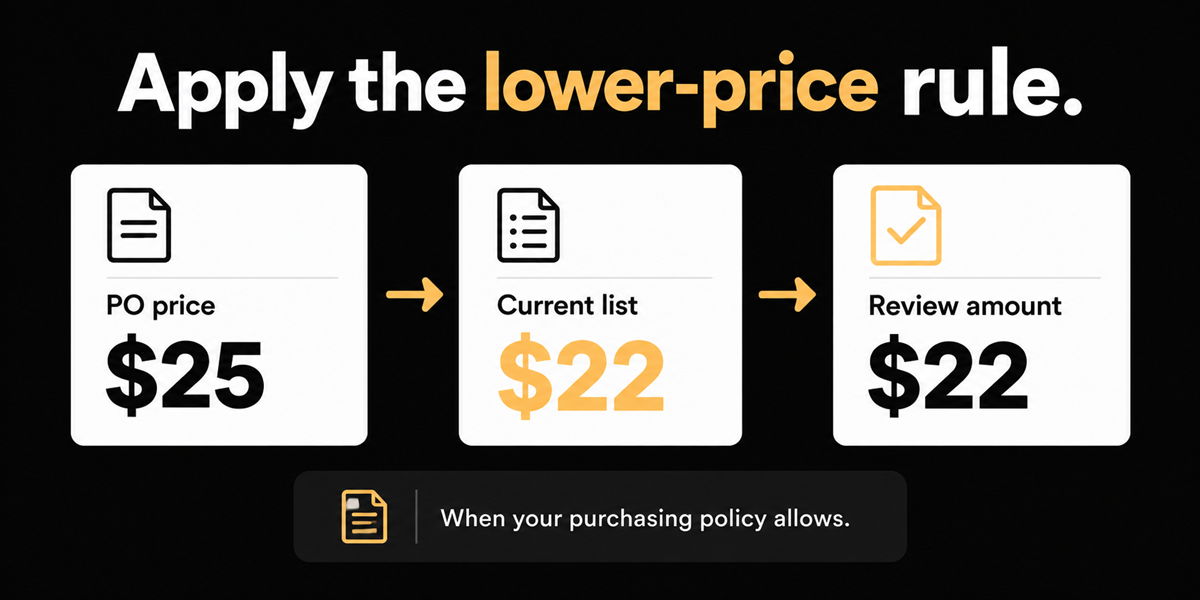
When vendor price lists fall after POs are cut, total-only match is not enough. Line-level lower-of logic and variance actions belong inside AP match.
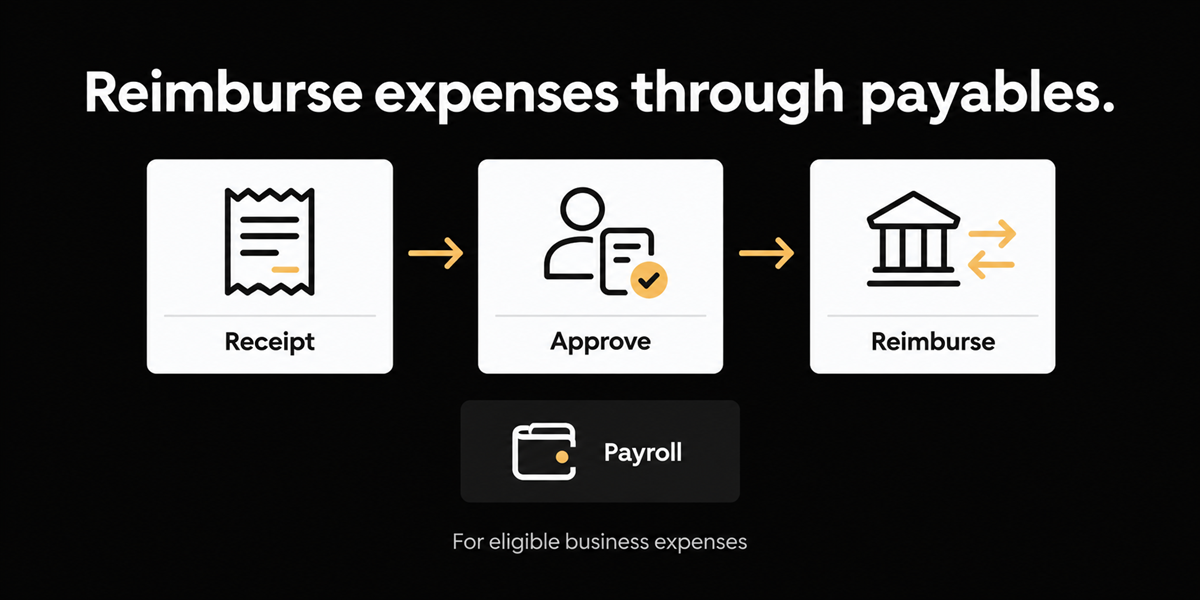
Accountable reimbursements are often payables, not pay-run lines. Why hitching receipts to payroll confuses employees, and how to repay staff without waiting on a payroll connector.
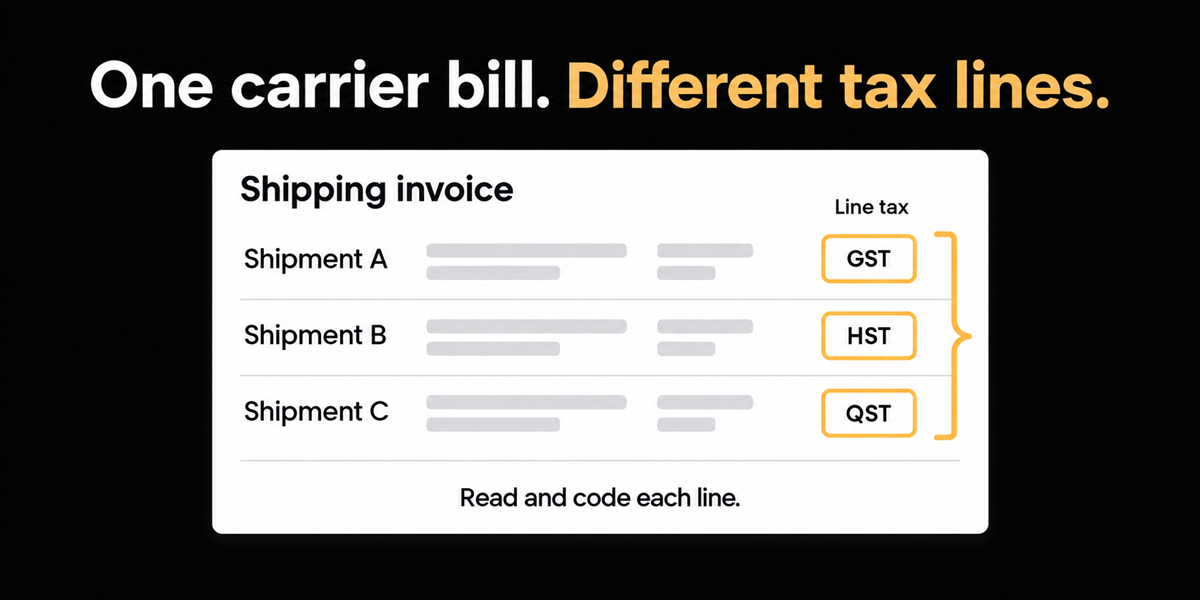
Carrier invoices break header tax. Why shipping bills need line-level multi-tax extract and vendor rules for internal codes, not a single tax stamp.
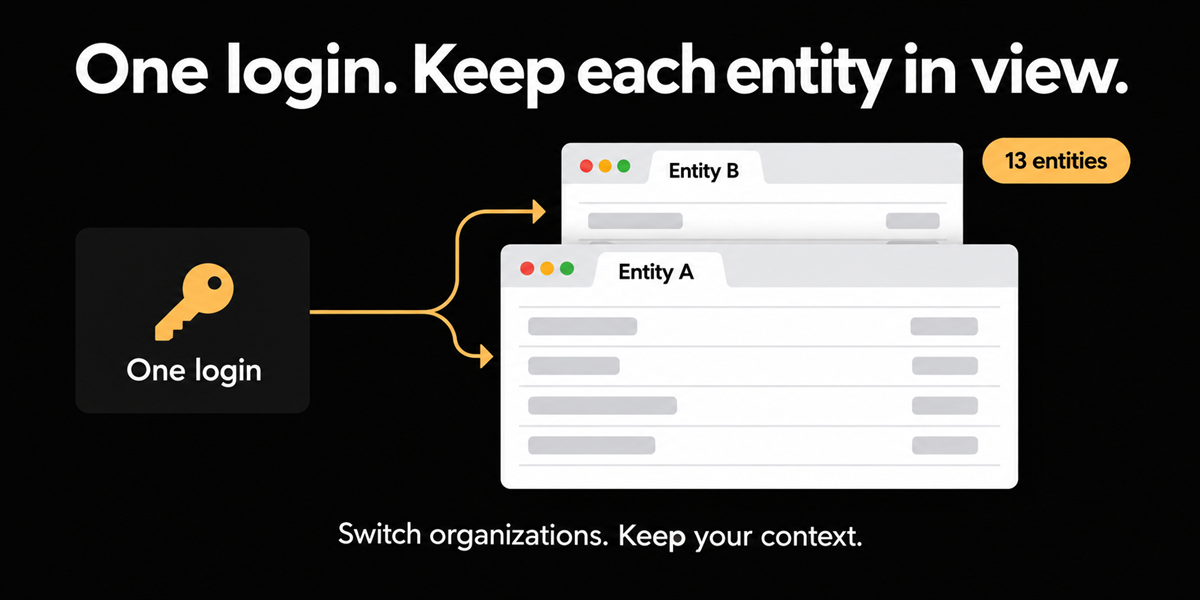
Multi-entity AP is simultaneous work. Why org switchers that reset sessions fail controllers, and what one-login parallel tabs change.
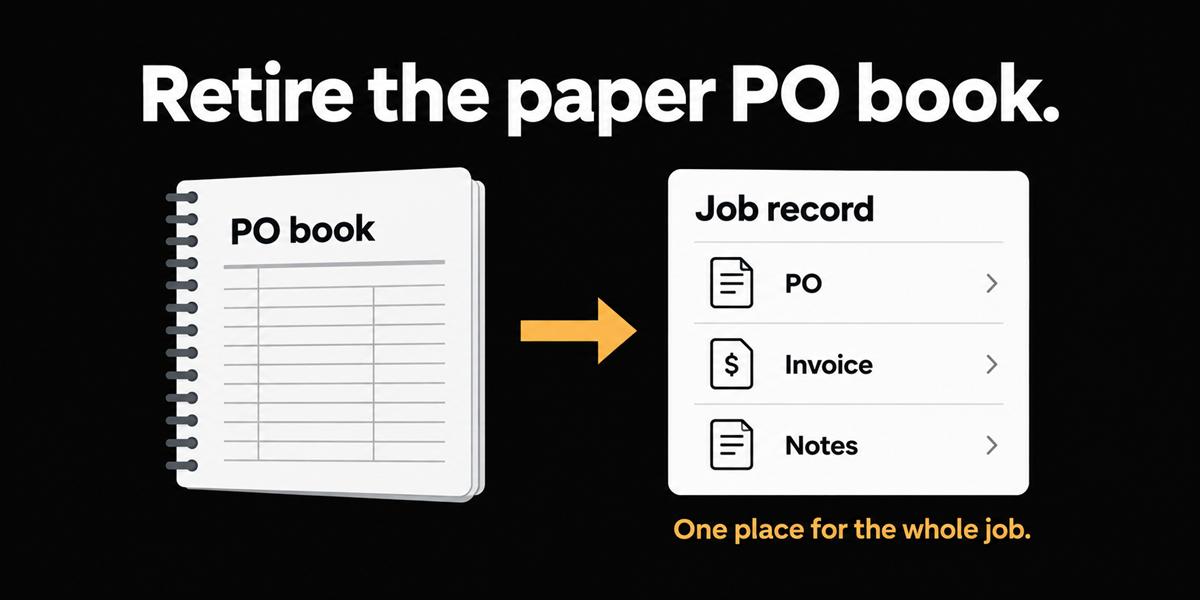
Construction SMBs still run on PO books and phone-in numbers. Why a single digital PO-invoice-notes object beats AI spectacle for owner relief.
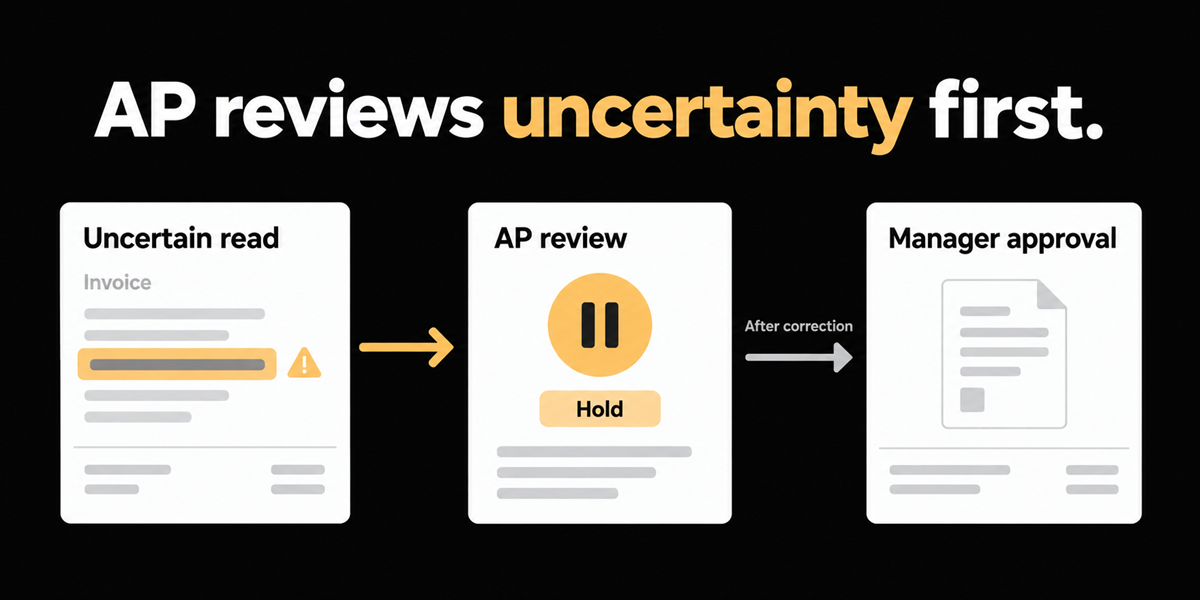
Payment tools are not AP automation. Why low-confidence invoice reads should park with AP before managers approve, and how to score that control in a demo.
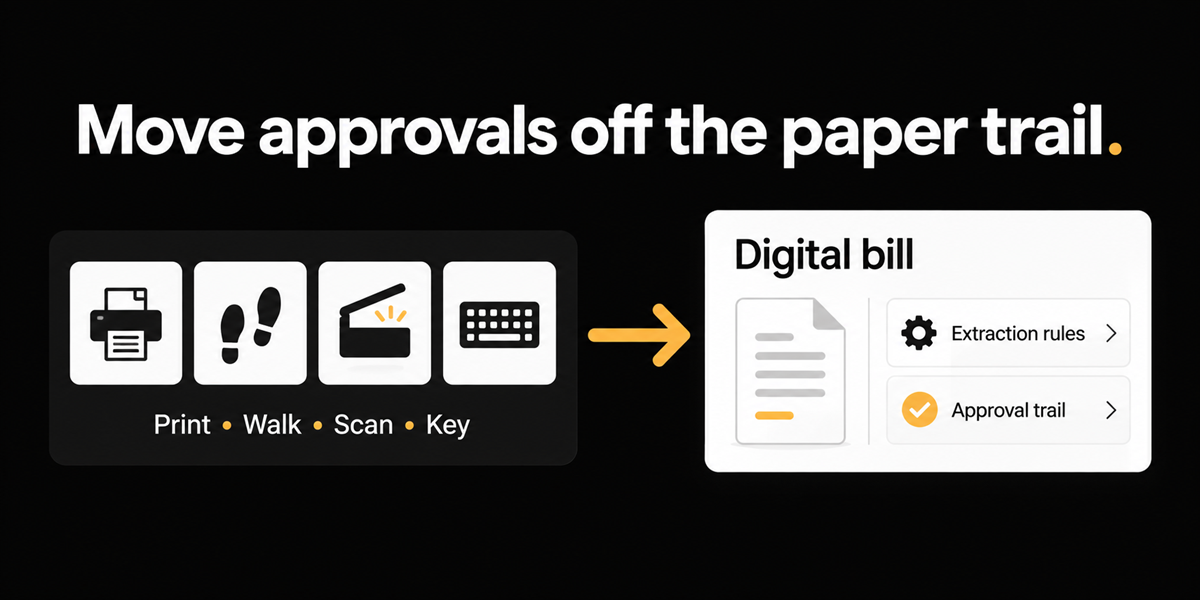
Real estate and other teams still print invoices for hallway approvals. Why digital AP objects, extraction rules, and seat-aware approvals retire the loop.
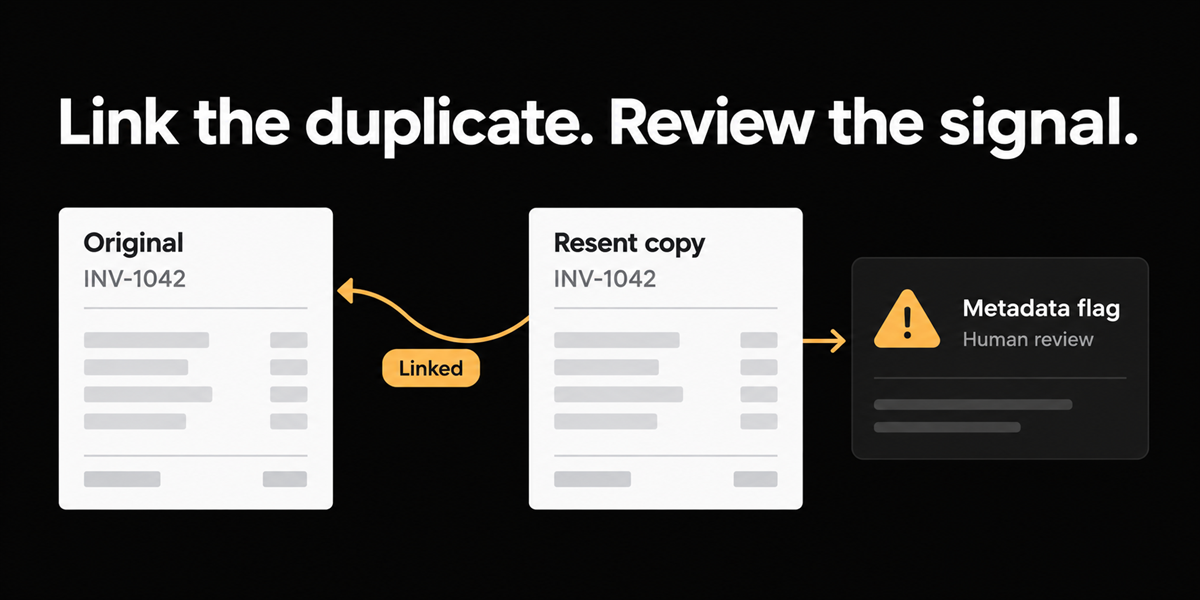
Duplicate detection is table stakes. Why linking to the original bill and flagging inconsistent file metadata matter more than a checkbox claim.
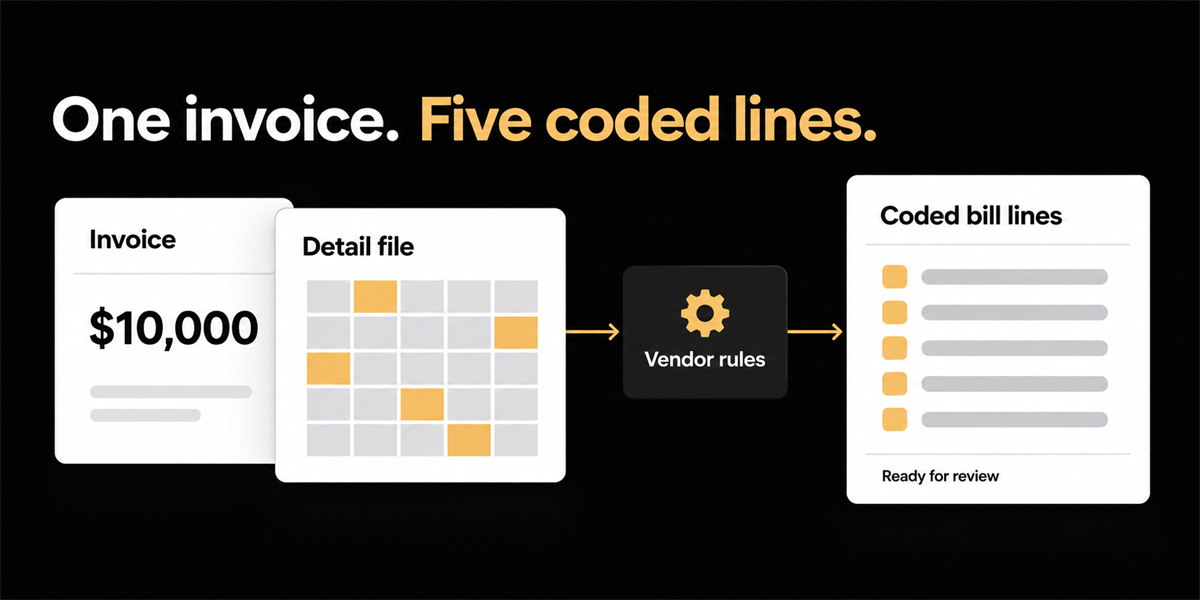
Some vendors bill one number and send the real detail as a data export. Why spreadsheet allocation survives, what it costs, and how vendor rules produce coded bill lines.
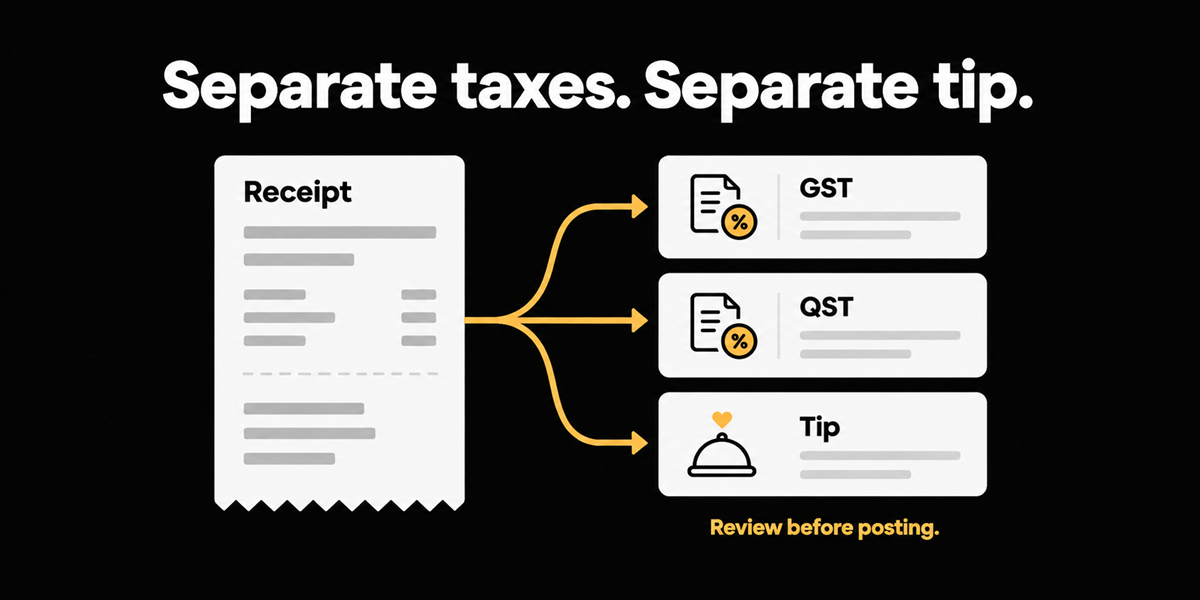
Most invoice extraction flattens GST and QST into one field and taxes the tip. Why it happens, what it costs at month end, and a fifteen second test for any vendor.
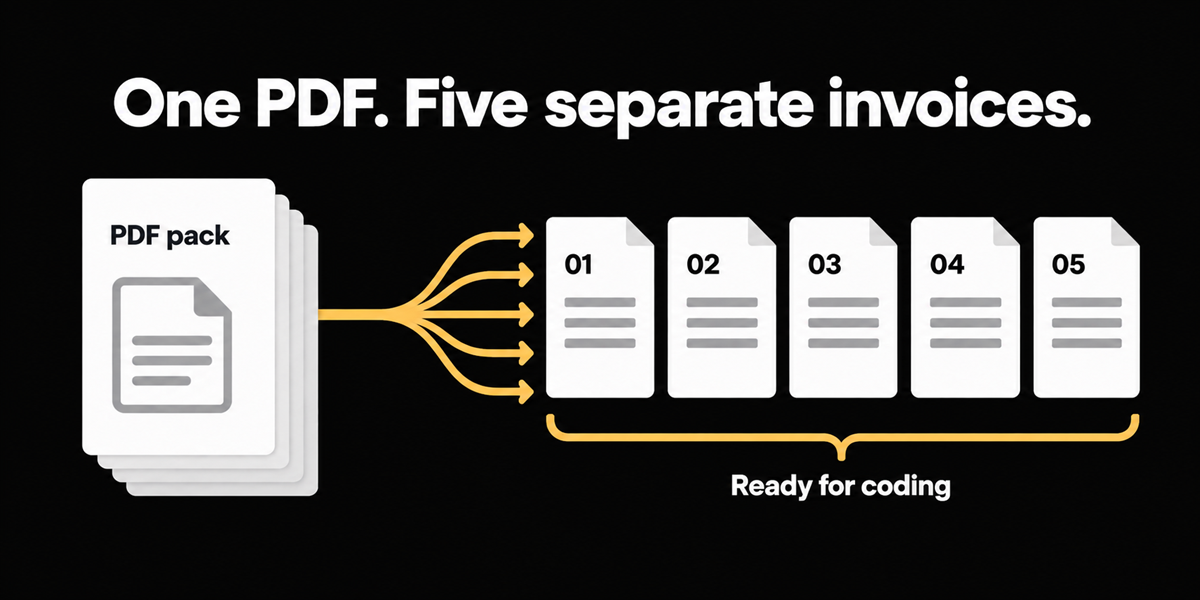
Multi-invoice PDFs break AP tools that assume one file equals one bill. How compound split and Unclassified pages fix intake before coding.
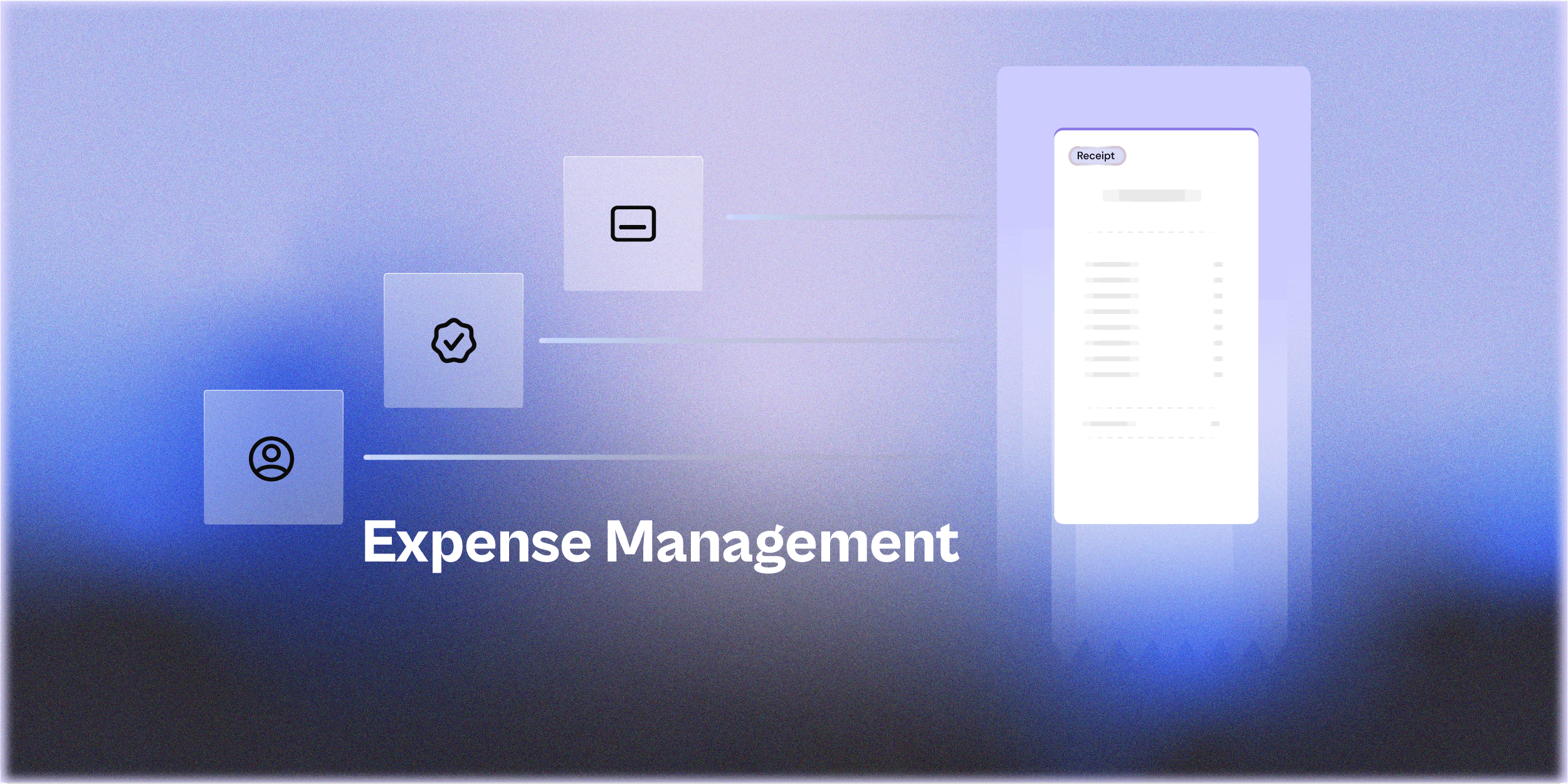
Expense management breaks in the gaps between employees, approvers, finance, and the accounting system. Here's where the four handoffs stall and how closing them turns receipt chaos into GL-ready entries.
3-way PO matching verifies invoices, POs, and receipts to prevent overpayments and fraud. Learn how it works, why it matters, and how automation makes this core AP control faster and scalable.
Invoices pour in from multiple suppliers, plants, and currencies. Matching them to POs and receipts is slow and error-prone. Here’s how AP automation solves manufacturing’s toughest invoice, approval, and cash flow challenges.
Some receipts will never exist. The question is whether your process has an answer for that or just an aging open items list.
Finance should review the accounting view of employee spend, not a shoebox of receipts wearing a software interface.
A policy that gets enforced after the money is spent is documentation. A policy that gets checked before approval is a control.