Blankets that never get formally closed accumulate quietly. The aged blanket portfolio is one of the most common procurement audit findings. Here is the cleanup approach.
Governance is the difference between a blanket PO that operates as designed and one that quietly becomes a control gap. Three roles, clearly defined, fix most of it.
Services blankets work differently from goods blankets. Time, scope, and rates need separate controls. Here is what the service blanket structure should actually look like.
Indirect spend and MRO are the strongest use cases for blanket POs. High volume, low value, predictable patterns. Here is how to set them up so they actually work.
Blankets expire on a defined date or at a defined limit. Either way, the team relying on the blanket needs to know in advance, not on the day operations stall.
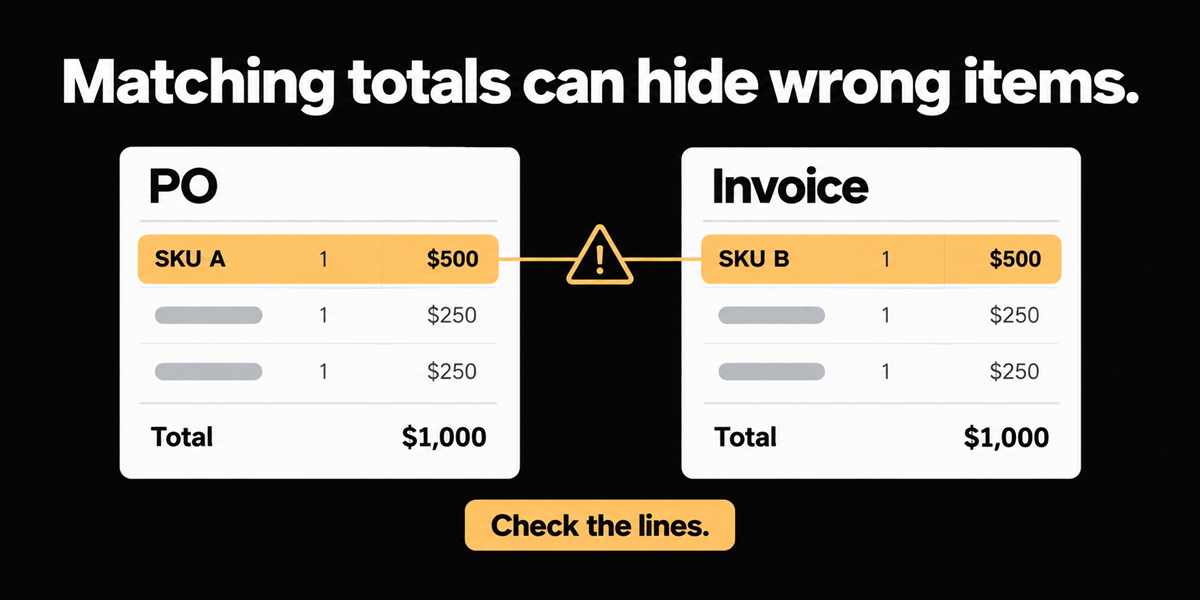
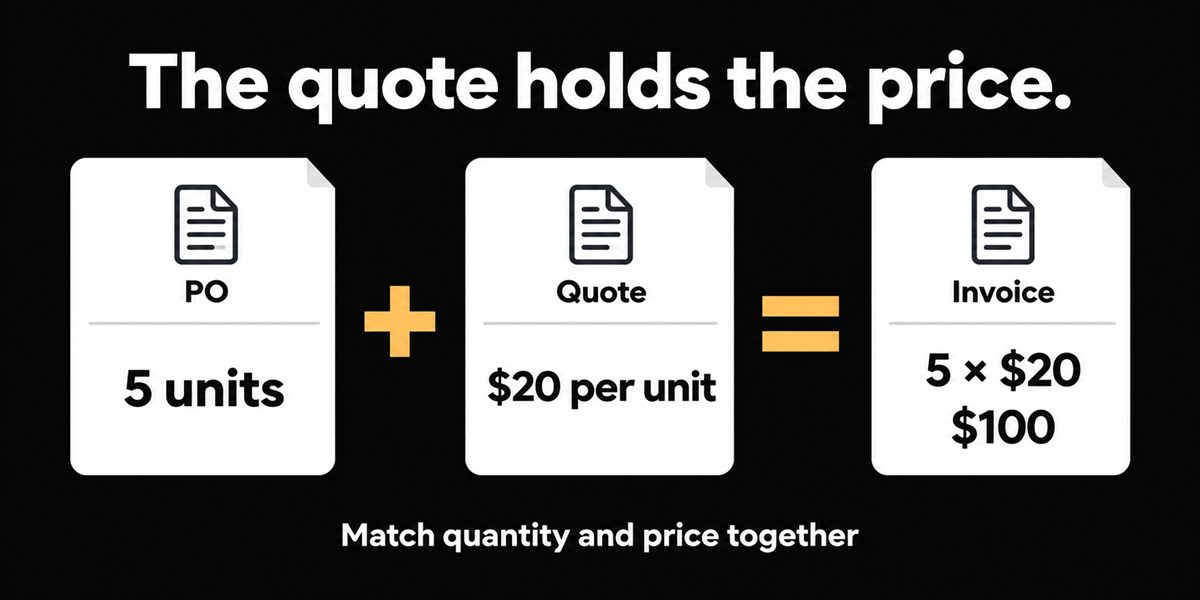
Standard three way matching assumes one PO, one receipt, one invoice. Blankets break that assumption in ways that produce systematic matching errors.
The blanket creates the authorization. The releases are where the actual spending happens. Most workflow problems sit at the release level, not the blanket level.
A blanket PO is only as useful as its limit is accurate. Most limits get set by guess and never reviewed. Here is the analytical approach that works.
Three instruments cover most procurement situations. Choosing the wrong one creates either friction or control gaps. Here is the decision framework that holds up.
Blanket purchase orders cut administrative work for repeat spend. They also weaken controls in ways most procurement teams underestimate. Here is the honest tradeoff.
Year end is the natural cleanup point for credit balances. The discipline of clearing the queue before close prevents the accumulation problem and gives external auditors a cleaner position to review.
Goods get returned. Credits should follow. The handoff between receiving and AP is where most returns related credits go missing.
Duplicate payments happen at every company. The question is whether you find them, recover them, and prevent the next batch.
Rebate programs are a meaningful working capital lever. Most teams either underclaim them or recognize them at the wrong time. Here is how the lifecycle should actually run.
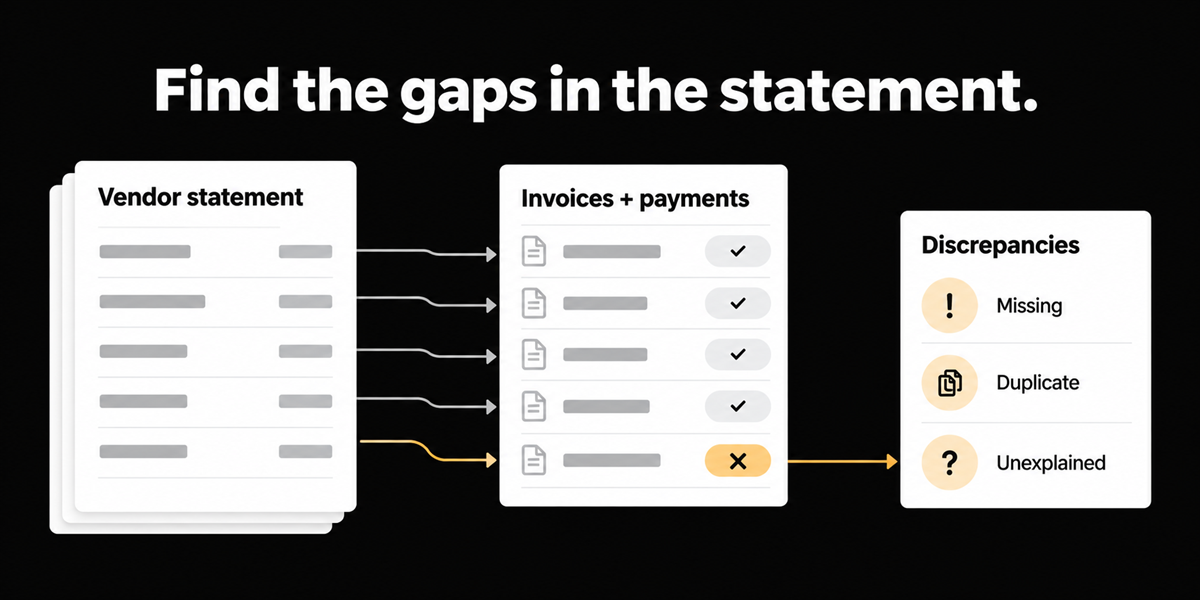
Vendor statements are the most direct way to surface credits the buyer is missing. Most AP teams either do not run the reconciliation or run it inconsistently.
Credits do not stay valid forever. Vendor terms expire them, accounting policies write them down, and at some point the cash is gone. Here is how to manage the aging.
The language around credits is inconsistent across ERPs, vendors, and accounting teams. The confusion creates posting errors that are surprisingly hard to unwind.
Recovery audits regularly surface six and seven figure refunds at mid market companies. Here is when to run one, what they find, and how to do as much internally as possible.