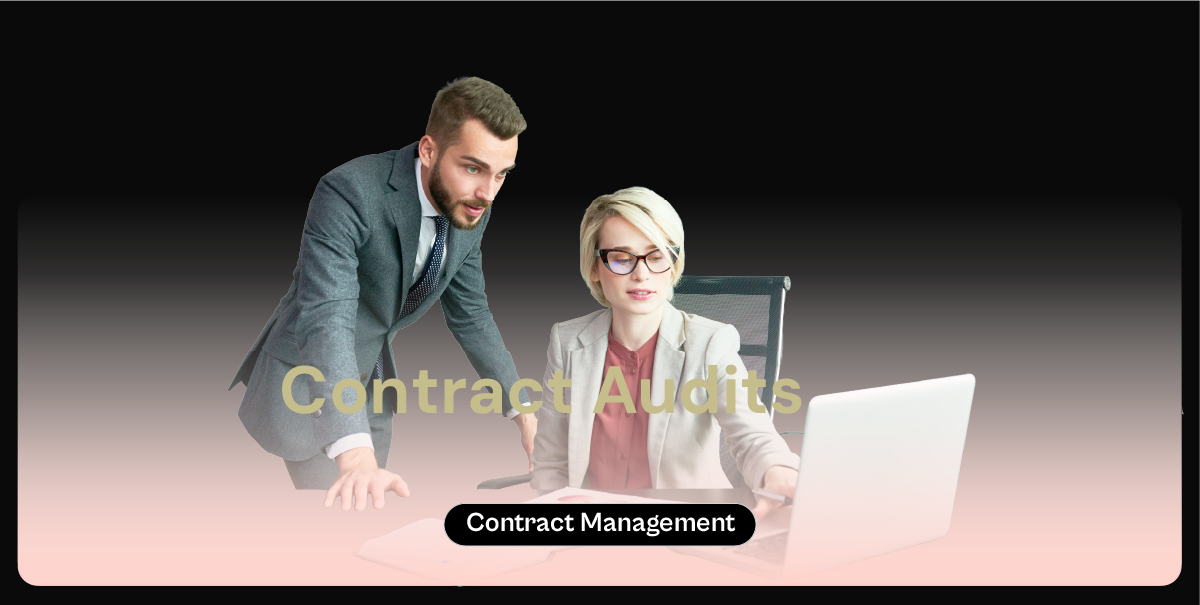
Year end audits typically include some level of contract testing. External auditors sample vendor contracts to test the accuracy of expense recognition, the appropriateness of payment terms, the existence of unrecorded commitments, and the disclosure of significant contractual obligations.
Controllers who go into the audit having already completed a contract review face the testing with documented support. Controllers who have not done that review respond reactively to audit questions, often requiring substantial late stage work to assemble the documentation auditors are requesting.
The pre year end contract audit is not a substitute for the external audit. It is the controller's preparation that makes the external audit straightforward. The work is unglamorous and not strictly required, which is why many teams skip it. The teams that do it consistently report shorter audits, cleaner findings, and less audit fee escalation.
What External Auditors Will Test
Understanding the audit scope helps focus the pre audit review. External auditors typically test contract documentation in four areas.
Existence and authorization
Auditors verify that material vendor relationships have documented contracts and that the contracts were properly authorized. Significant spend without supporting contracts becomes a finding.
Expense recognition
Auditors validate that expenses recognized in the period are supported by contracts and that recognition follows appropriate accounting treatment. Lease accounting, deferred revenue, capitalization decisions, and accrual timing all depend on contract terms.
Commitment disclosure
Auditors assess whether disclosed contractual commitments are complete and accurate. Off balance sheet commitments, including multi year contracts and operating commitments, should be disclosed in accordance with applicable accounting standards.
Risk assessment
Auditors evaluate contract terms that could create accounting or disclosure issues: unusual provisions, contingent obligations, performance penalties, exclusivity restrictions. Material risks should be considered in disclosures.
The Pre Year End Checklist
A comprehensive pre year end contract review covers six areas.
Top supplier contract review
For the top 20 to 50 suppliers by spend, validate that current contracts exist, that the contracts are properly authorized, and that they support the period spend. The list should reconcile to the vendor master and to material expense lines.
Suppliers with material spend but no current contract are exceptions that need to be addressed before audit. Either the contract exists and needs to be located, or the relationship is operating without a contract and the situation needs to be documented.
Contract pricing validation
For a sample of material contracts, validate that the period invoices reflect contracted pricing. Discrepancies should be investigated and either resolved or documented.
Common findings: escalators applied at incorrect rates, rate cards updated without amendments, suppliers charging above contract rates without authorization.
Renewal and expiration status
Identify contracts that expired during the period and confirm the disposition of each. Renewed, terminated, or operating on hold over? Hold over arrangements need documentation about the basis on which the relationship continues.
Identify contracts expiring shortly after year end (Q1 of next year) and confirm the renewal status. These may need disclosure as commitments coming up for renewal.
Material commitment inventory
Compile the complete inventory of multi year commitments active at year end. Total committed spend by year for the next five years. This feeds disclosure preparation for contractual obligation notes.
Includes operating leases (now on balance sheet for most companies), service contracts, software subscriptions, and any other multi year commitments. Excludes purchases under standing POs that can be terminated at will.
Obligation status review
For material contracts, document the status of significant obligations as of year end. Volume commitments met or shortfall accruing? SLA performance levels achieved or credit obligations pending? Performance milestones complete or deferred?
These details may not all be disclosed but should be documented in case auditors inquire.
Unusual provision review
Identify contracts with unusual or potentially material provisions: termination fees, performance penalties, indemnification clauses with significant exposure, exclusivity restrictions. These may warrant specific disclosure or footnote treatment.
Working Papers to Prepare
The output of the review should be a set of working papers that auditors can review directly. Six papers cover the typical scope:
- Supplier contract status schedule: list of material suppliers with contract status and key terms
- Pricing validation testing: sample of invoices tested against contract pricing with results
- Renewal and expiration log: contracts that expired during the period and disposition of each
- Material commitment schedule: multi year commitments by year for disclosure preparation
- Obligation status report: status of significant obligations as of year end
- Unusual provision summary: contracts with provisions requiring management consideration
Auditors who receive these papers as part of the year end process spend dramatically less time requesting documentation and more time validating the conclusions, which compresses the audit timeline.
Common Findings to Resolve Before Audit
Three categories of findings recur regularly in year end contract reviews. Resolving them before the external audit avoids the audit raising them as observations.
Operating without current contracts
A supplier has material spend but no current authorizing contract. Either the relationship continued past the original contract expiration without formal extension, or the contract was never properly executed.
Resolution: identify the situation, document the current operating basis (hold over arrangement, master agreement under renewal, etc.), and target a defined timeline to formalize.
Material commitments not disclosed
Multi year commitments that should be in disclosure notes are not captured in the disclosure preparation. The commitment exists in the contract but never made it to the disclosure inventory.
Resolution: add the commitment to the disclosure inventory and ensure the disclosure language reflects it accurately.
Pricing variances not investigated
Invoices were processed at rates that differed from contracted rates. The variances were not flagged or investigated during the year. Some may be legitimate (escalators, agreed amendments) and some may be drift.
Resolution: investigate each material variance, document the explanation or pursue recovery, and update internal controls to prevent recurrence.
Timing the Review
The review should happen in the months before year end, not during the close. Specific timing depends on year end and audit timing, but the review should be substantively complete before the external auditors arrive.
Three months before year end
Begin the inventory work. Identify the top supplier list, locate the contracts, and confirm scope for the detailed review.
Two months before year end
Complete the contract status and pricing validation review. Resolve identified issues to the extent possible within the period.
One month before year end
Finalize working papers, ensure disclosure inventory is complete and current, and document any matters still being resolved at year end.
Year end and into close
Address any final year end issues. Update disclosure preparation. Coordinate with external auditors on scope and information requests.
The Ongoing Discipline This Builds
A year end contract review done well becomes the foundation for ongoing contract management discipline. The working papers update through the year. The supplier inventory stays current. The disclosure inventory captures new commitments as they happen. The pricing validation becomes a continuous process rather than a year end project.
Over a few audit cycles, the year end contract work shifts from being a project that produces audit ready documentation to being a confirmation that the ongoing processes are working. That shift represents real improvement in the control environment, not just better audit preparation.
Start Here
Build the supplier contract status schedule first. For your top 20 to 30 suppliers by annual spend, document whether you have a current contract on file and where it is located. The exercise itself usually surfaces the first round of items that need attention before audit.
From the schedule, identify the highest priority issues and address them through the months before year end. The objective is to enter the external audit with most issues already resolved, not to have a clean discovery process for the auditor.