Anomaly detection tools applied to the accounts payable process help finance teams identify irregular invoice and payment patterns early, reducing fraud risk, preventing costly overpayments, and improving operational control.

AI is no longer a future promise for accounts payable (AP), it’s here. From template‑based OCR to deep‑learning models and natural‑language processing (NLP), finance teams can eliminate manual work, cut errors and shift AP from a cost centre to a value driver.
In healthcare, pharma and financial services, accounts payable isn’t just a back-office task, it’s a control point. Missed invoices, manual approvals and spreadsheet errors don’t just cause inefficiencies. They expose you to compliance gaps, audit risks and delayed payments that hurt operations. Automation fixes that.
Selling any tech investment to senior finance leaders demands more than process talk. CFOs and board members care about costs, controls, and long-term value. To win buy-in, AP leaders must present automation not as a tool but as a financial strategy.
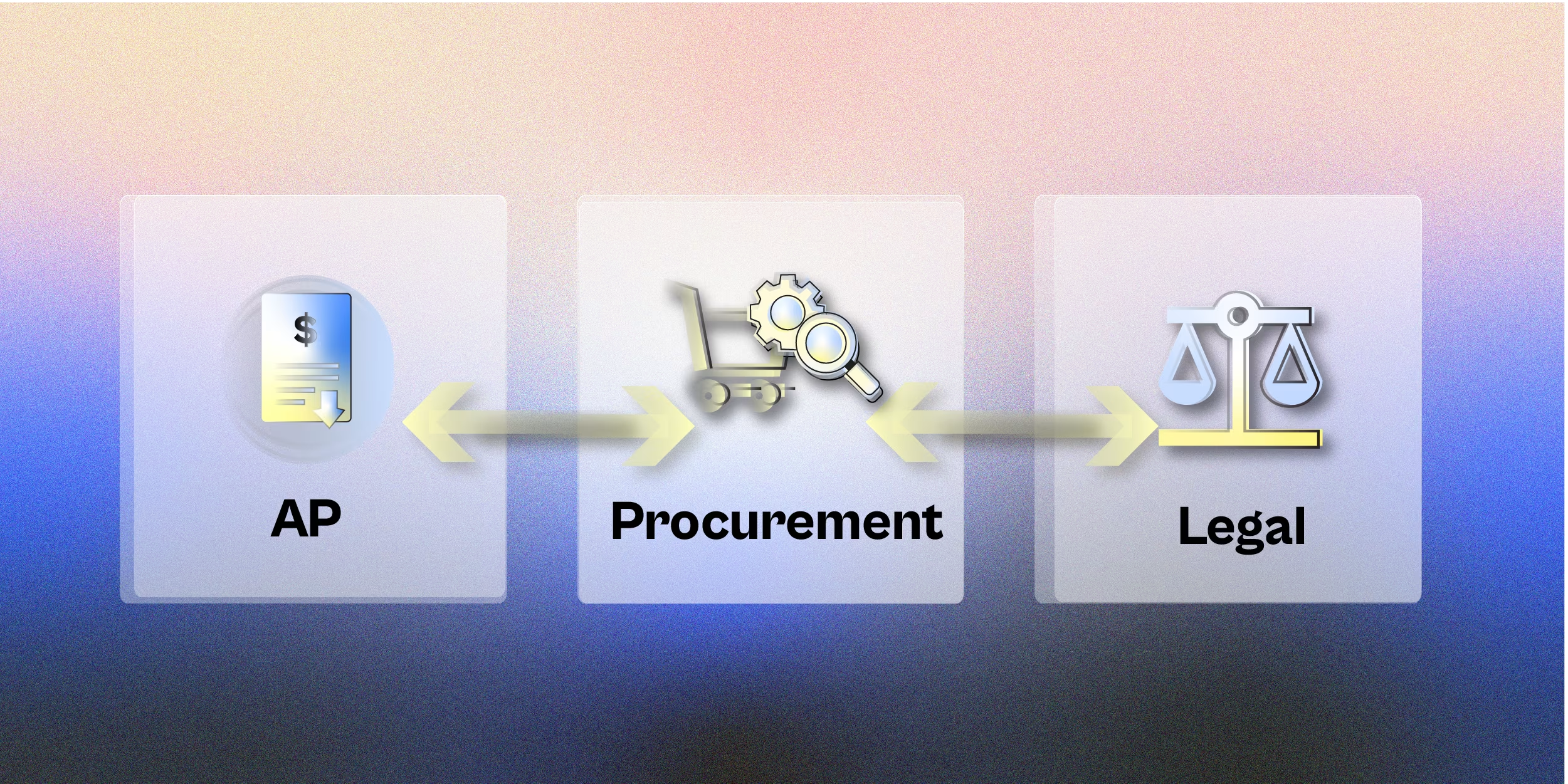
AP, Procurement, and Legal all touch the same spend but rarely speak the same language. Different tools, goals, and workflows create silos that slow everything down. Here’s how smarter collaboration turns those friction points into control and speed.
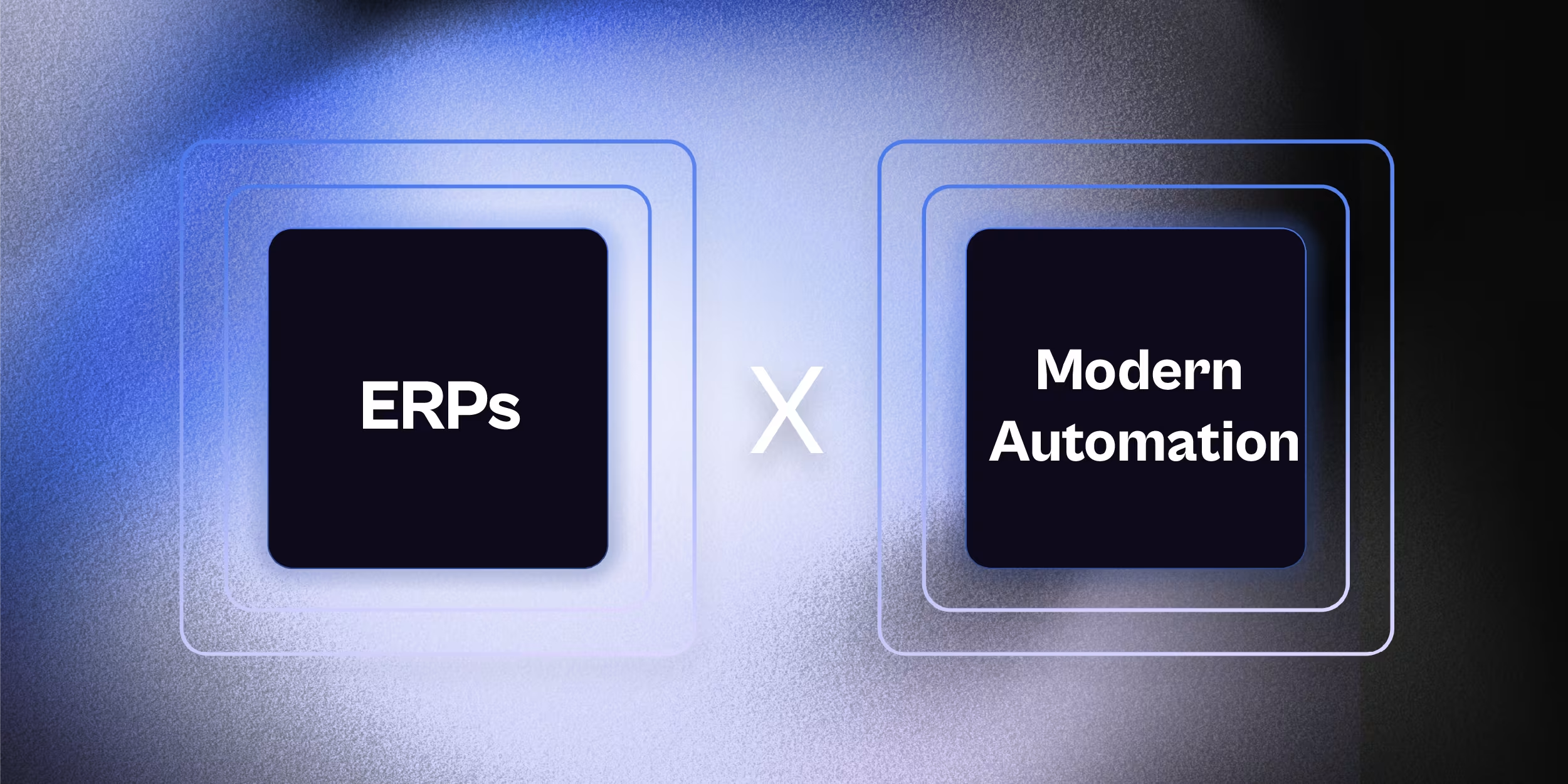
Most ERP systems weren’t built for Accounts Payable. They’re great at storing data, not streamlining workflows. When it comes to PO creation and invoice matching, even advanced ERPs hit hard limits. Let’s unpack where things break and what modern automation does better.
Five strategic trends are reshaping how AP and Treasury teams operate in 2026: real-time payments, AI forecasting, tighter integration, regulatory shifts, and risk control. CFOs must lead the convergence.
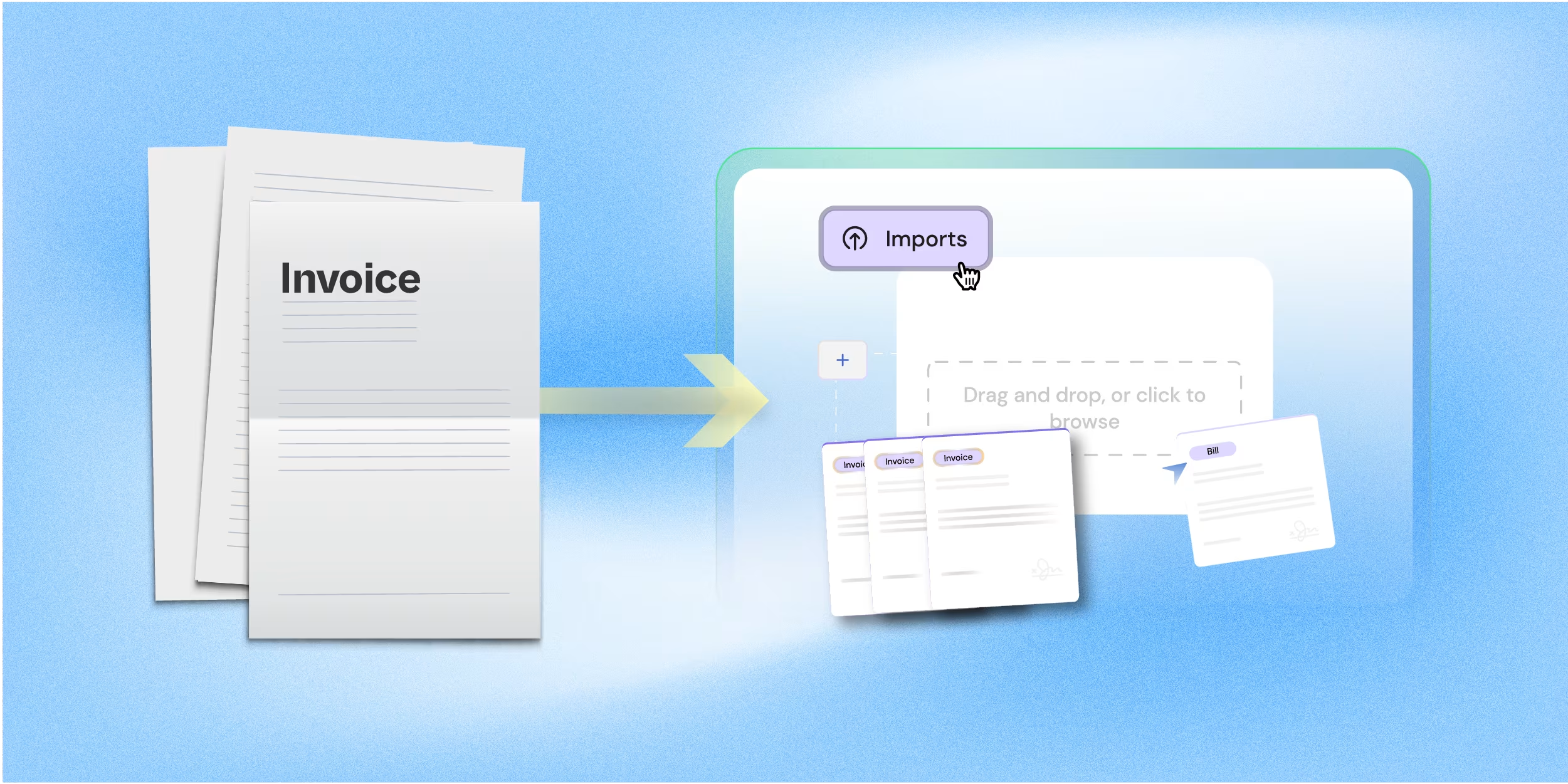
Invoice capture is where automation starts. For most companies, digitizing this step means faster processing, fewer errors, and better working capital control. Here’s how to do it right - from central intake to exception handling.
Purchase orders are the contract between procurement and finance. But when they’re incomplete, missing approvals, vague line items, or no delivery address they create delays, disputes, and manual work. For finance leaders, this isn’t a documentation issue. It’s a control issue. Let’s break down what makes a PO truly complete and why it matters for modern AP operations.
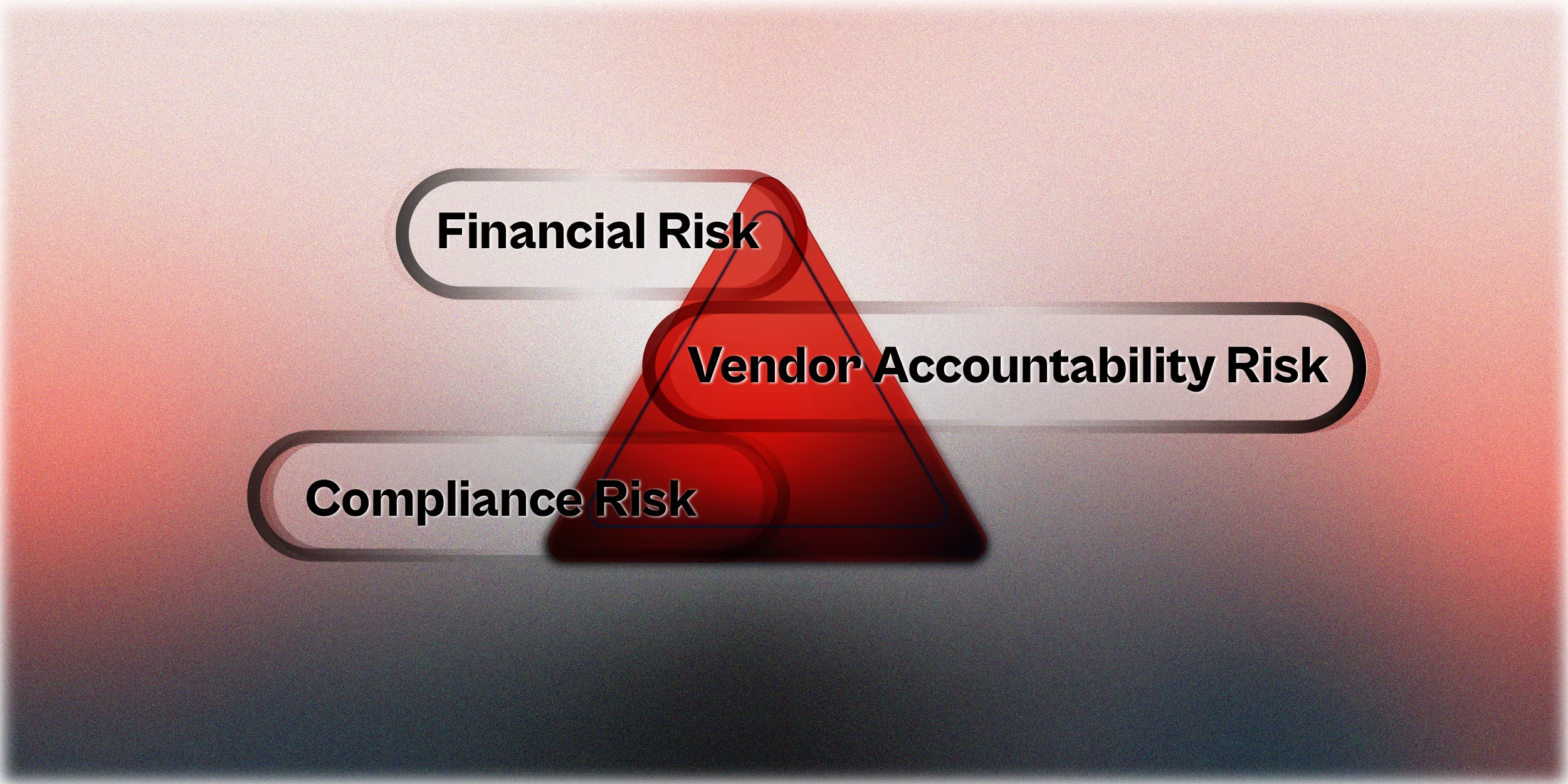
For mid-market companies, vendor contracts aren't just procurement documents. They're risk tools, compliance anchors, and accountability levers. This blog explains how AP teams can integrate contract data into payment workflows to reduce fraud, avoid overpayments, and tighten controls.
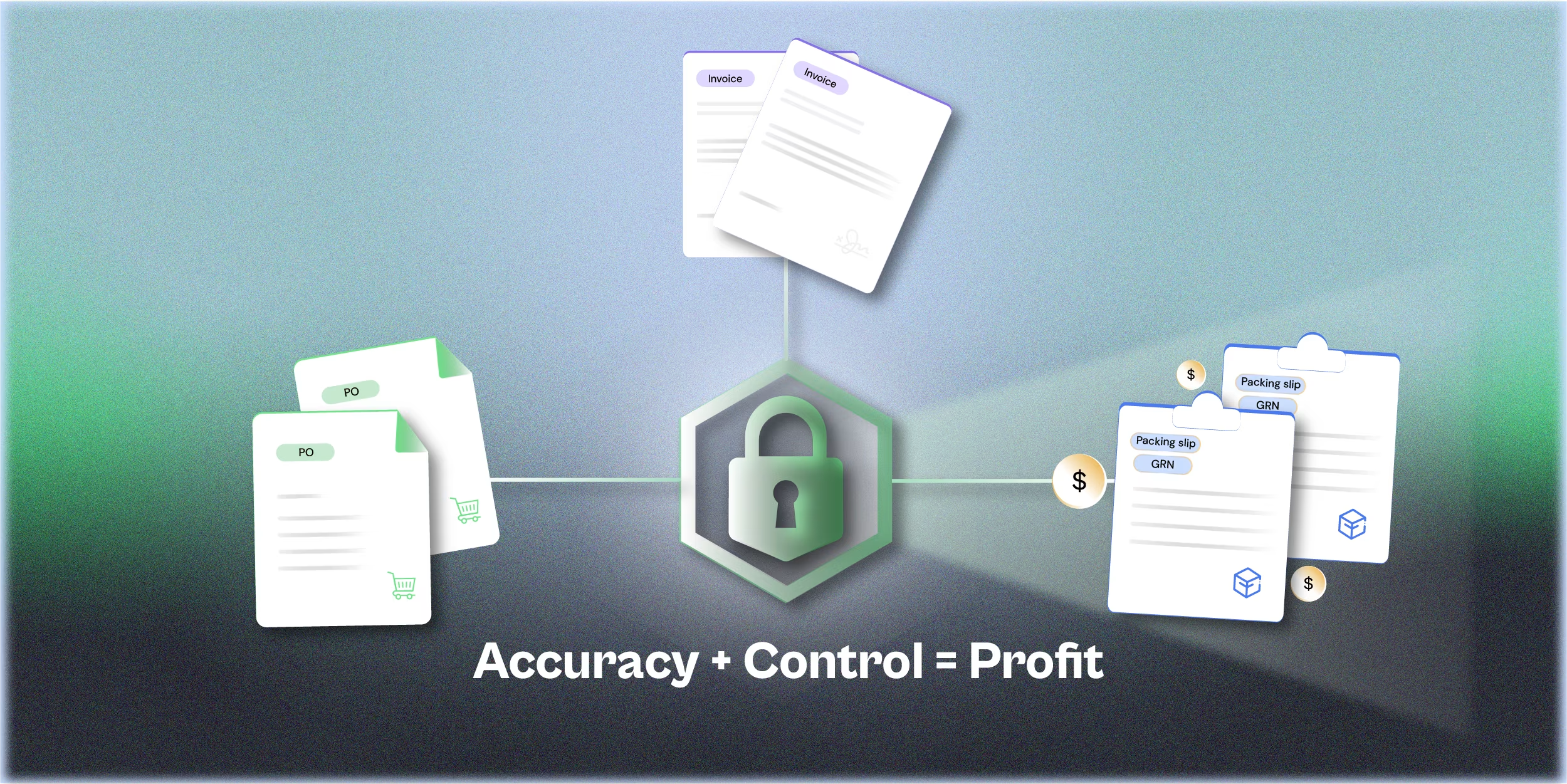
3-way PO matching verifies invoices, POs, and receipts to prevent overpayments and fraud. Learn how it works, why it matters, and how automation makes this core AP control faster and scalable.
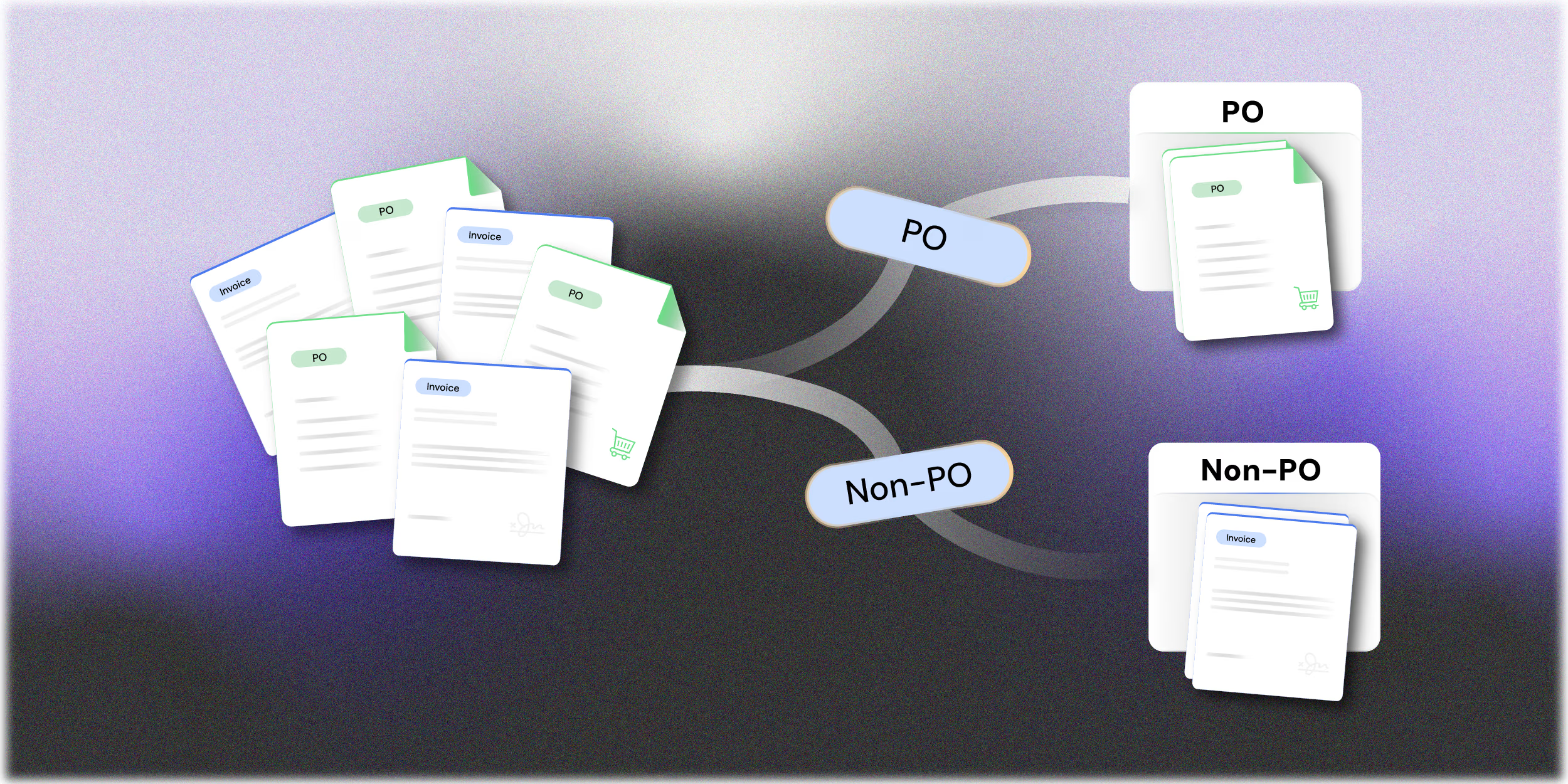
Even well-run finance teams face non-PO invoices - from SaaS renewals to service retainers. Untracked, they cause delays and budget overruns. With structured workflows and automation, these exceptions can flow as efficiently as PO-based invoices.
Working capital fuels growth but manual AP hides trapped cash, missed discounts, and poor visibility. The question is: can automation unlock working capital, or is it just another efficiency play?
Packing slips and goods receipt notes (GRNs) play a hidden but critical role in AP accuracy and fraud prevention. This post breaks down why these documents matter and how finance teams can use them to tighten controls without slowing down.
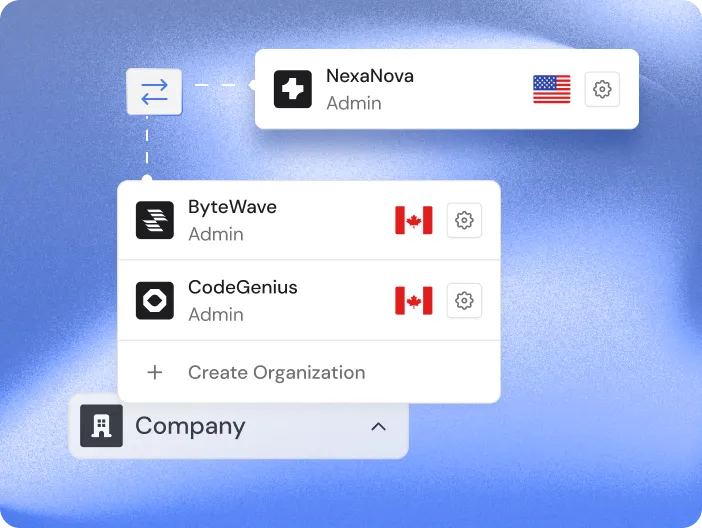
Simplify global AP across multiple entities without increasing headcount. Automate payments, approvals, and FX in one unified workflow.
Still getting paid by cheque or expensive wire? You’re not the only one—but you don’t have to be. U.S. clients can pay you via local ACH using Finofo. No $50 wire fees. No FX surprises.
Stop paying to get paid. Finofo lets Canadian firms collect USD via local ACH — zero wire fees, zero FX pain. Faster cash, auto-matched in your ERP.
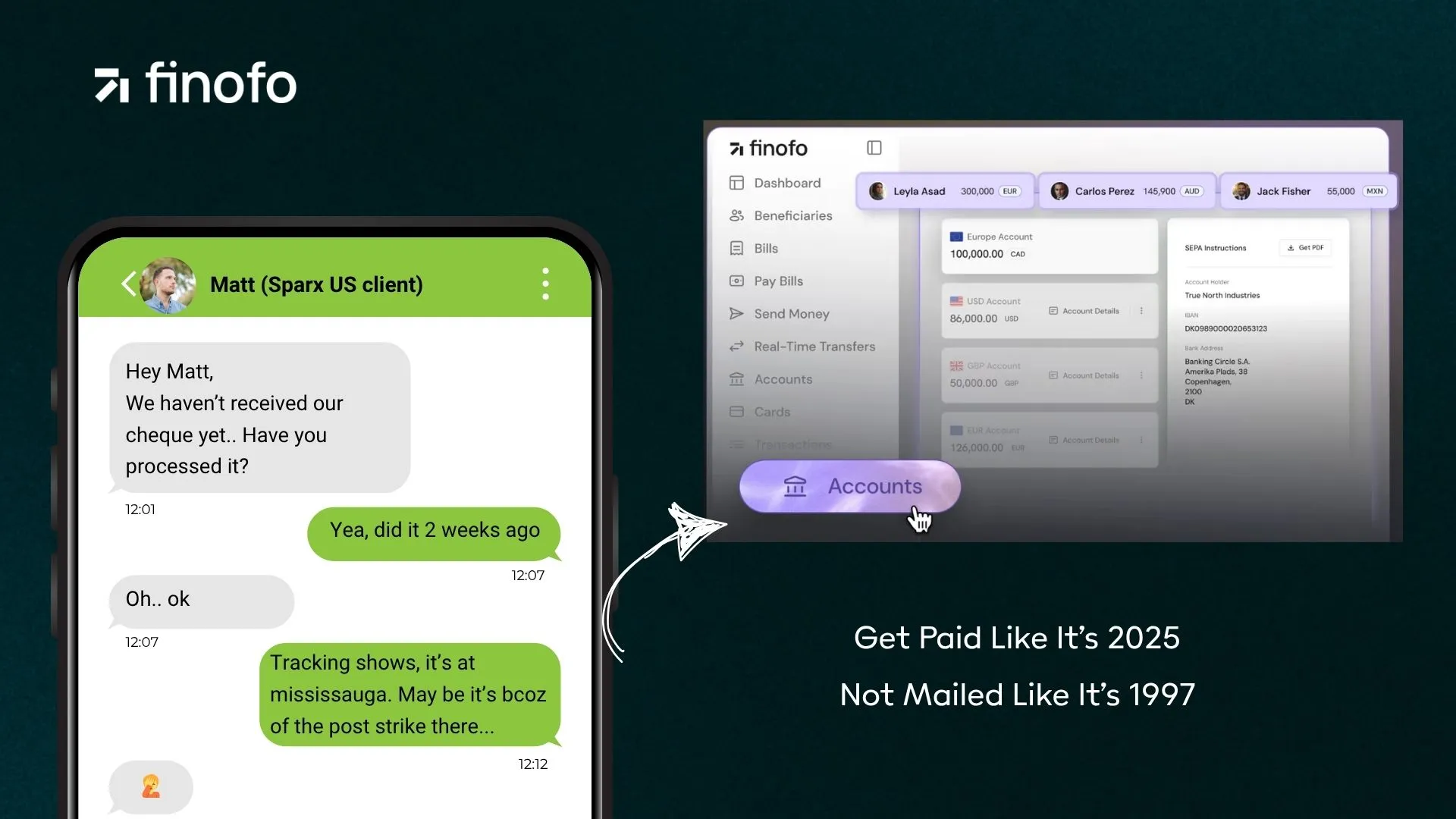
Still waiting on cheques in the mail? With another Canada Post strike looming, it’s time to ditch outdated AR systems.