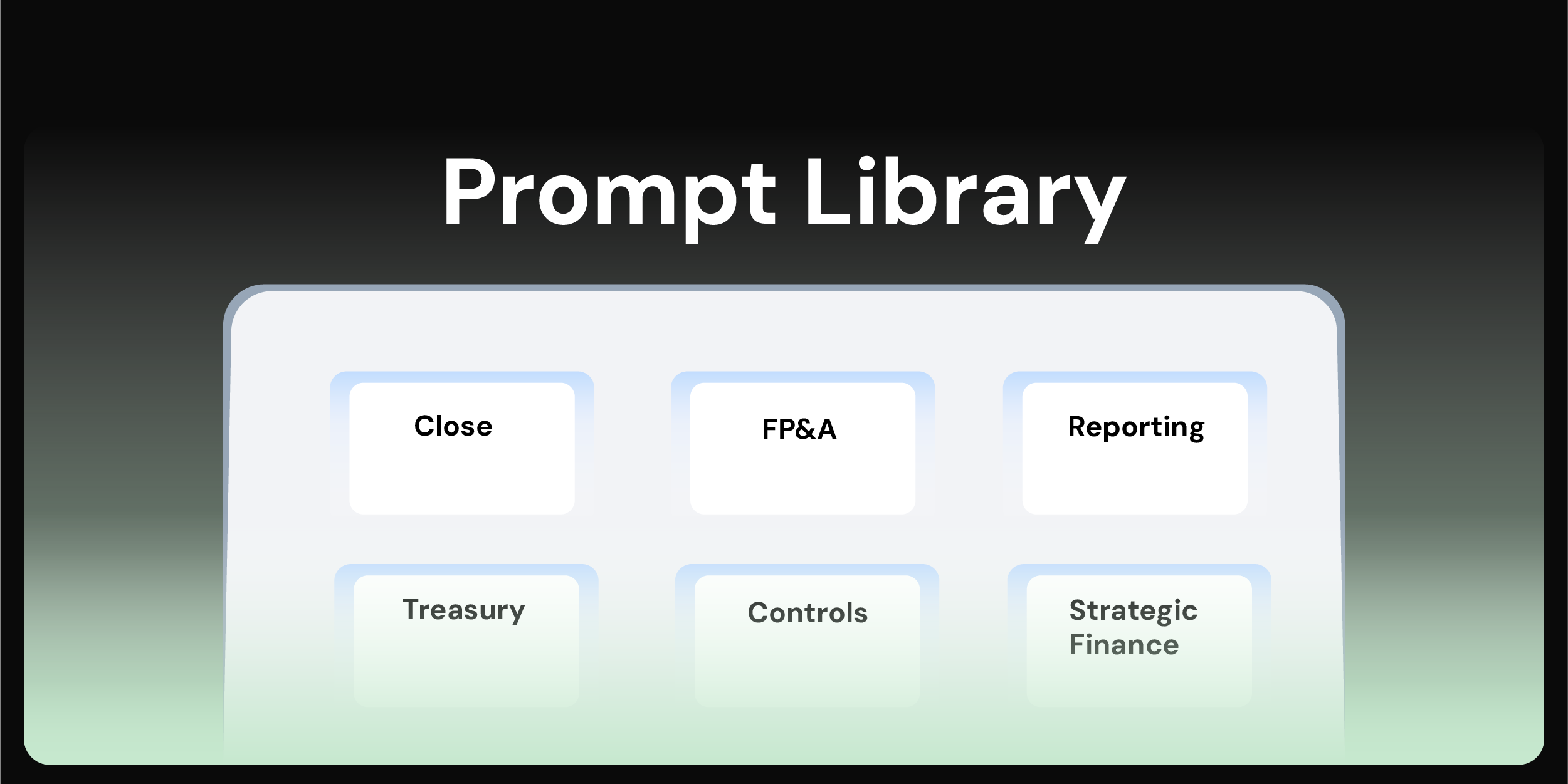
A practical reference library of prompts spanning close, FP&A, reporting, treasury, controls, and strategic finance. Copy, adjust for your context, and use.
Budget errors discovered in the board review cost more than budget errors caught during preparation. AI can run systematic quality checks across the full model before anyone senior sees it.
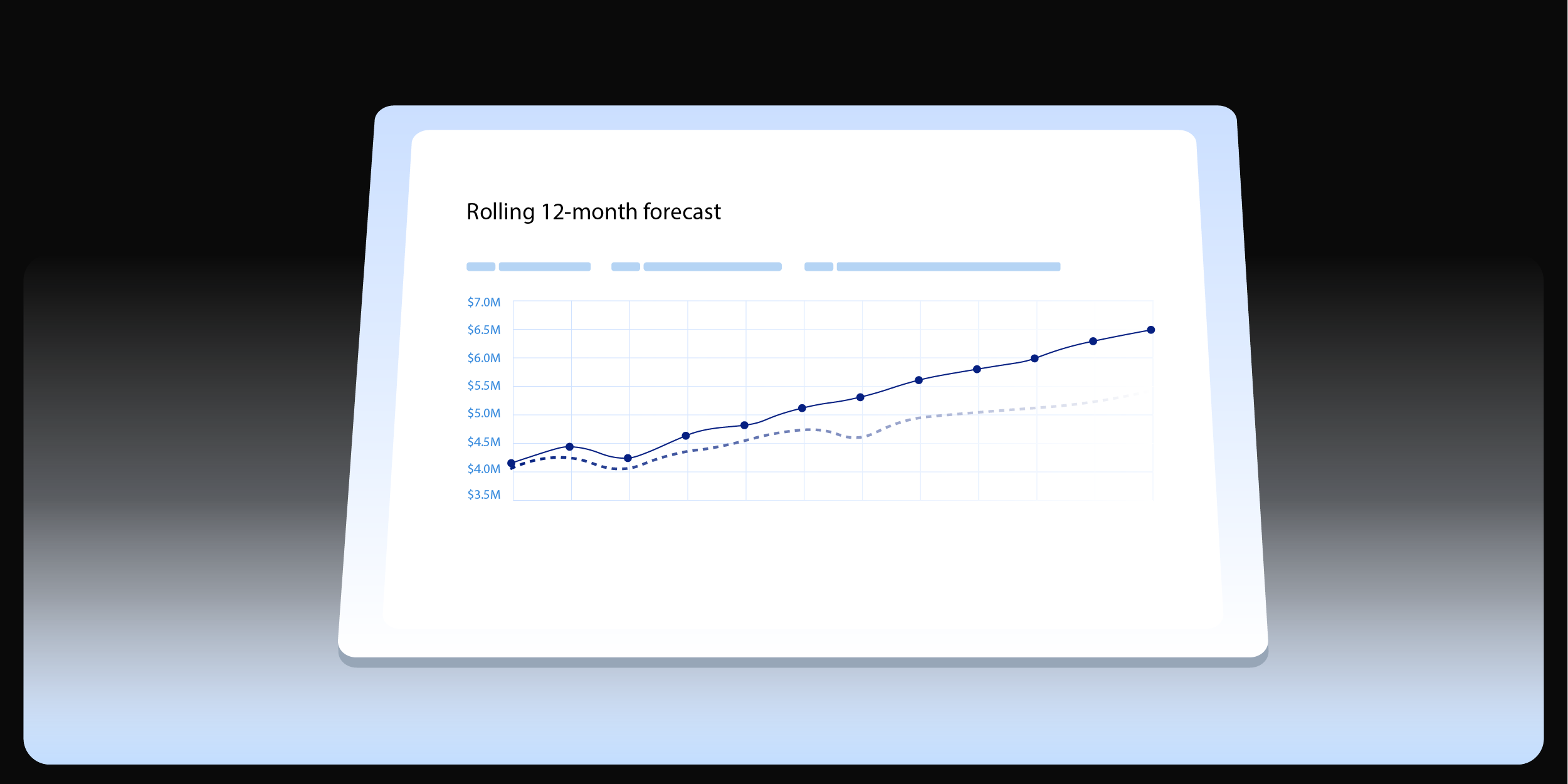
Rolling forecasts are better than annual budgets in theory. In practice, most finance teams cannot maintain them because the rebuild cost is too high. AI changes that equation.
PVM analysis is one of the most useful tools in FP&A. It is also one of the most time consuming to build manually. AI automates the decomposition so analysts can focus on interpreting what drove the result.
Supplier risk lives in the supply chain conversation. It should also live in the finance conversation because a supplier failure or concentration problem shows up in the P&L before it shows up in the board pack.
Expense policy violations are caught inconsistently in manual review. AI reviews every claim against policy before reimbursement so enforcement is systematic, not dependent on who reviewed the report.
Leases, software contracts, earn outs, debt covenants, and committed purchase agreements are financial obligations. Most finance teams do not have a complete, current register of what the business is committed to paying. AI builds that register and keeps it current.
Capital investment decisions are made on projected returns. Most organizations never systematically verify whether those returns materialized. AI closes the loop from investment case to post investment review.
Finance and procurement often work from different data sets on the same spend question. AI creates a shared spend analytics layer that connects budget commitments, contract obligations, and actual AP data into one coherent view.
Cash forecasting gets more useful when finance can see timing shifts earlier, refresh the first draft faster, and separate real liquidity pressure from spreadsheet lag.
Collections teams prioritize from aging reports. AI scores every open account by payment probability and surfaces the highest risk balances first so outreach effort goes where it will have the most impact.
Most mid-market treasury teams manage FX exposure after the fact. AI makes it possible to map and forecast exposure forward, so hedging decisions are proactive rather than reactive.
Automated GL review catches pattern based errors at scale. Non standard journal entry review is a different task scrutinizing the manual adjustments and management initiated entries that fall outside what anomaly detection handles well.
PBC lists arrive. Finance teams spend weeks locating documents, matching requests, and tracking completion. Most of that work is coordination and retrieval, not judgment. Here's how AI takes the retrieval burden off the team.
Finance business partnering is supposed to be about sitting at the table with commercial leaders and helping the business make better decisions. In practice, most FBPs spend the majority of their time building reports that describe what already happened.
Finance SOPs are always out of date. The process changed six months ago and nobody updated the documentation. AI can change that, not by writing SOPs from scratch, but by capturing process knowledge as a continuous byproduct of the work itself.
Working capital management has traditionally been backward looking. AI changes that by building a forward looking, dynamic model that updates as AR, AP, and inventory data change in real time.
AI is genuinely good at the quantitative layer of revenue forecasting. It falls short at the qualitative layer. Here's how to structure a forecasting process that uses both effectively.