Newest posts
- Why employees do not use expense apps, and what to do instead
- When PST shows up, put it on the product account
- When the division code is buried inside the vendor account number
- The card matched. Finance still chased the receipt.
- When one PDF holds twenty-three invoices
- Stop typing freight. The bill needs a lane description.
- Header match said yes. Line match said the SKUs disagree.
- Ship-to names the well. The cost centre on the invoice is still wrong.
- Why SharePoint is a bad AP inbox, and what to use instead
- Why the AP demo looked fine and production Canadian tax still broke
- Same vendor, many projects: why coding has to ride on the PO
- When the airline receipt is only in the email body
- Why nonprofit HST and PSB rebate splits will not invent themselves
- When mileage was a guess, and approvers could not see the route
- How a 300-page vendor statement gets matched before lunch
- When AI fills six fields by resemblance, read them before you post
- Trade name on the invoice, legal name in the vendor file
- When the PO has quantities and the quote has the prices
- When the price list drops after the PO, pay the lower amount
- Why expense reimbursements fail when they ride inside payroll
- Why a UPS invoice is a tax map, not one tax code
- Thirteen entities, one login, without the incognito dance
- Get rid of the paper PO books so the owner can stop chasing
- Hold uncertain invoice reads before a manager ever sees them
- Print, walk the office, scan, key: why cardboard boxes are optional
- Same invoice twice, and the metadata looks forged
- When the invoice is one number and the accounting math lives in a spreadsheet
- Why AP automation gets Canadian tax wrong, and how to test for it before you buy
- When five invoices arrive as one PDF and the tool cannot split them
- Why Expense Management Breaks in the Handoffs
- What Is 3-Way PO Matching and Why It Matters
- AP Automation for Manufacturing: Unique Challenges & Solutions
- Foreign Currency Expenses Without the Spreadsheet Math
- Solving the Missing Receipt Problem
- From Receipt Chaos to GL Ready Entries
- Spend Policy Checks Before the Approver
- One Approval Inbox for Invoices and Expenses
- Reimbursements Are Just Payables
- Card Statements That Actually Tie Out
- Receipts by Text: Capture Without the Chase
- Fix Expense Management Without Switching Card Programs
- Built in Canada vs Supported in Canada: What the Difference Means for Your AP Workflow
- PIPEDA, Provincial Privacy Law, and Your AP Workflow: What Finance Should Actually Know
- Why Foreign AP Tools Create Friction for Canadian Regulated and Public Sector Adjacent Work
- Where Does Your AP Data Actually Live? Questions to Ask Your Vendor Stack
- Data Residency Is Now a Procurement Question: What Canadian Finance Teams Get Asked
- Catching Tax Variances Before the ERP, Not After the Close
- GST, HST, PST, and QST on One Invoice: Handling Multi Province Vendors Without Manual Review
- The Tax Rounding Problem: Why Pennies Multiply Into Month End Cleanup
- Self Assessed Tax on Cross Border Purchases: The AP Gap Most Finance Teams Miss
- Why Canadian Invoice Tax Breaks at the Header Level (and How Line Level Capture Fixes It)
- The Hidden Cost of Open Ended Blanket POs (and How to Close Them)
- Blanket PO Governance: Who Can Release, Who Approves, Who Owns the Limit
- Blanket POs for Services: Why They Need a Different Approval Model
- Blanket POs for Indirect Spend and MRO: A Practical Setup Guide
- Managing Blanket PO Expirations Before They Disrupt Operations
- Three Way Matching on Blanket PO Releases: What Breaks and How to Fix It
- Releases and Call Offs Against Blanket POs: Workflow Design Guide
- Setting Blanket PO Limits and Tracking Consumption Against Them
- Blanket PO vs Standard PO vs Contract: Choosing the Right Procurement Instrument
- Blanket POs Explained: When They Help and When They Hurt
- Year End Supplier Credit Reconciliation: What to Clear Before Books Close
- Returns, RMAs, and Credit Triggers: Closing the Loop Between Receiving and AP
- Duplicate Payment Recovery: Turning AP Errors Into Credit Reclamation
- Volume Rebates and Earned Discounts: How They Show Up as Supplier Credits
- Reconciling Supplier Credits Against Vendor Statements
- The Aging Supplier Credit Problem: When Old Credits Become a Write Off Risk
- Credit Notes, Debit Memos, and Supplier Credits: Terminology That Trips Up AP
- Recovering Unclaimed Supplier Credits: A CFO's Recovery Audit Playbook
- How to Track and Apply Supplier Credits: A Practical AP Workflow Guide
- Why Supplier Credits Are the Most Commonly Missed Working Capital Source
- Strategic Vendor Reviews: The Quarterly Check Finance Should Run With Procurement
- Vendor Termination and Offboarding: The Workflow Most Teams Don't Have
- Vendor Master Governance Across Entities: One Vendor, Many Books
- Vendor Statement Reconciliation: Closing the Loop With Your Suppliers
- Ongoing Vendor Compliance: Beyond One Time KYC at Onboarding
- Detecting Vendor Banking Changes That Shouldn't Be Trusted
- Managing Inactive Vendors: When to Archive, When to Remove
- Vendor Master Cleanup and Deduplication: A Step by Step Approach
- Single Source Supplier Dependencies: The Continuity Risk Hiding in Your Spend
- Vendor Concentration Risk: What CFOs Should Track and Report
- Building Vendor Performance Scorecards That Finance Actually Uses
- Vendor Risk Management Beyond Sanctions Screening
- Vendor Segmentation: Strategic, Operational, and Transactional Tiers
- Designing a Vendor Onboarding Process That Scales With Your Business
- Vendor Master Data: The Foundation of Reliable AP and Reporting
- Vendor Insurance and Certification Tracking Through Contract Management
- Contract Audits Before Year End: A Practical Checklist for Controllers
- Building a Contract Calendar: Forward Visibility for Finance Teams
- Centralizing Contract Data Across Entities and Acquisitions
- Pricing Escalator Clauses: How They Quietly Inflate Spend Over Time
- Multi Year Commitments and Their Impact on Working Capital Planning
- Termination Clauses and Notice Periods: The Hidden Risks in Your Contracts
- MSAs vs SOWs: A Finance Operator's Guide to the Difference That Matters
- SaaS Contract Sprawl: How Finance Can Regain Control of Subscription Spend
- The Contract Repository: The Foundation Most Finance Teams Skip
AP in Practice posts
AP in Practice
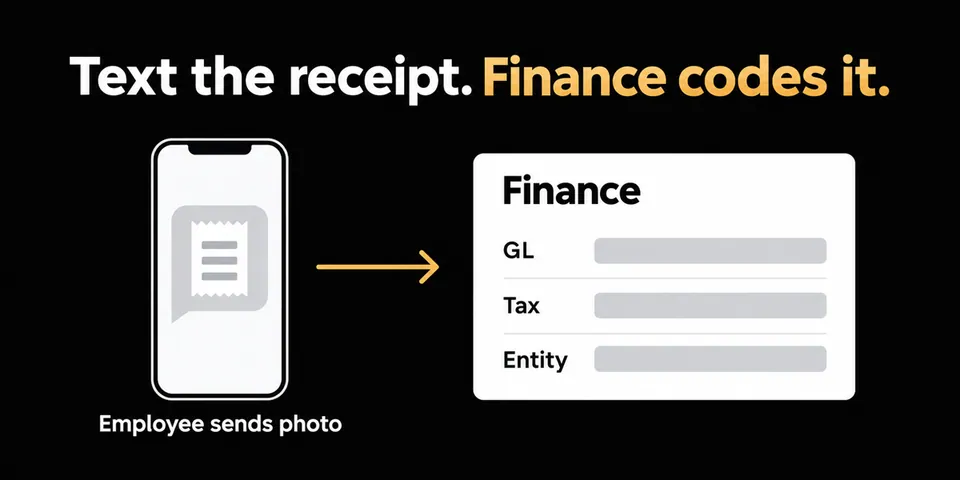
Why employees do not use expense apps, and what to do instead
Expense tools assume employees will install an app and code their own spend. Most will not, and the coding gets redone anyway. A better split between capture and accounting.
AP in Practice
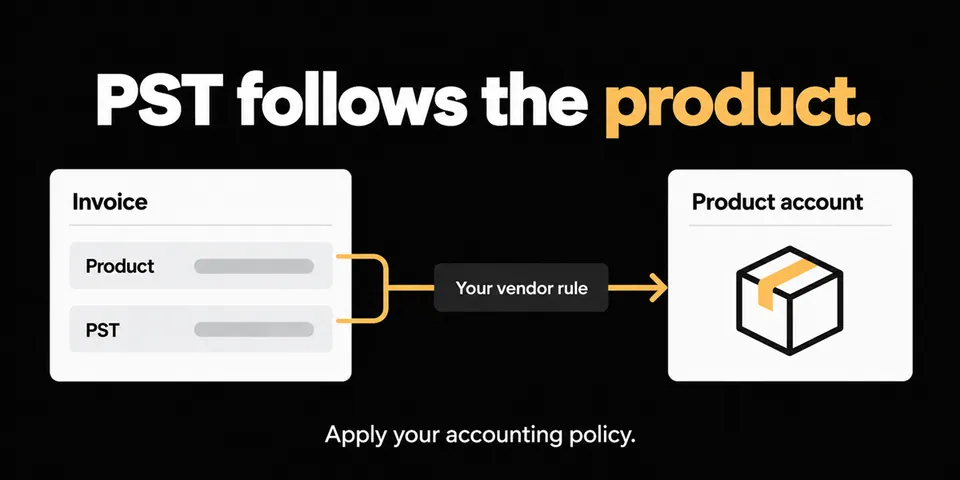
When PST shows up, put it on the product account
Why Canadian AP still miscodes PST after OCR works, and how vendor plain-language rules put PST on the product GL instead of a fake tax bucket.
AP in Practice
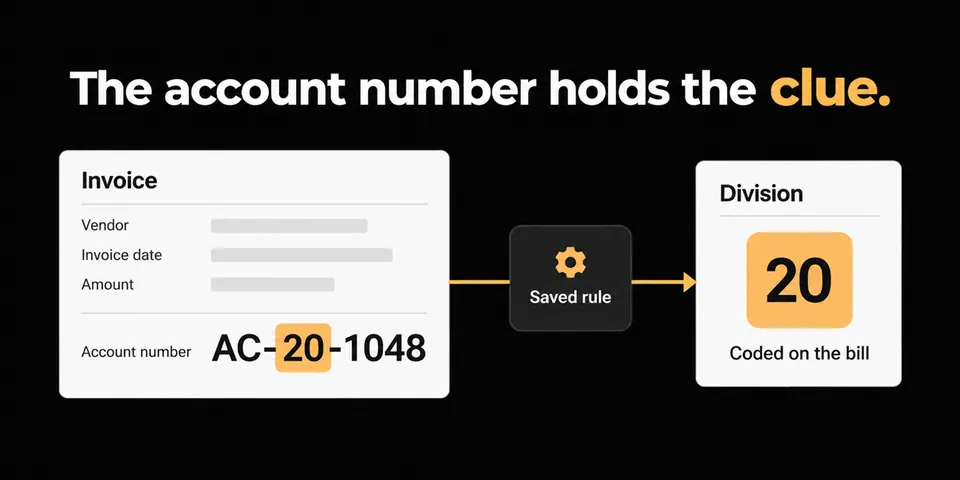
When the division code is buried inside the vendor account number
Multi-division AP fails when the segment cue is inside a vendor account number. How plain-language vendor rules map those patterns to cost centres.
AP in Practice
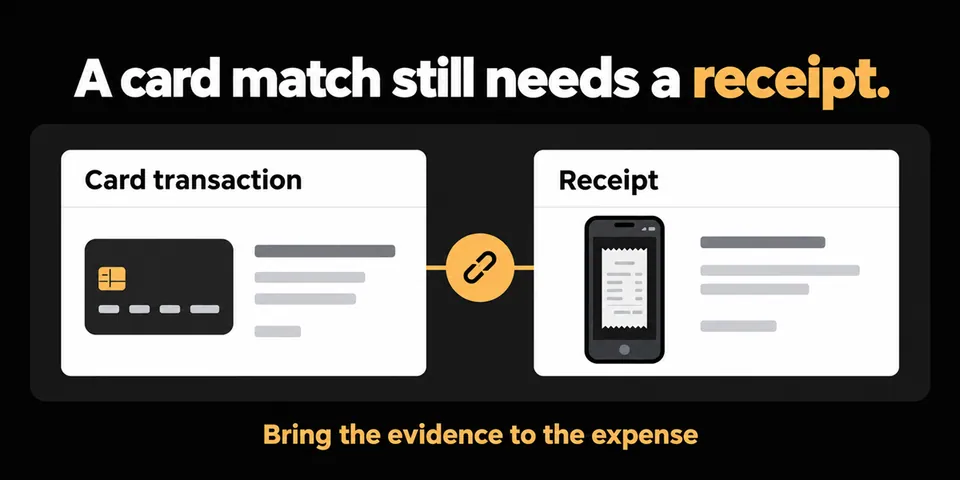
The card matched. Finance still chased the receipt.
Card feeds without receipts still burn AP time. Why SMS capture into an AP-native expense (finance-owned coding, Canadian tax) matters more than matcher slogans.
AP in Practice
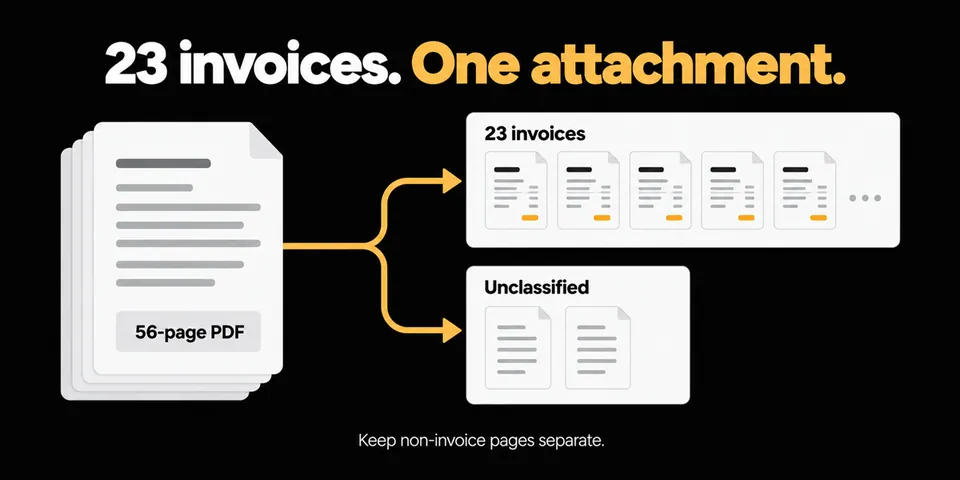
When one PDF holds twenty-three invoices
Large compound vendor packs stall AP before coding starts. How split plus Unclassified turns one PDF into discrete bills without posting appendix pages.
AP in Practice
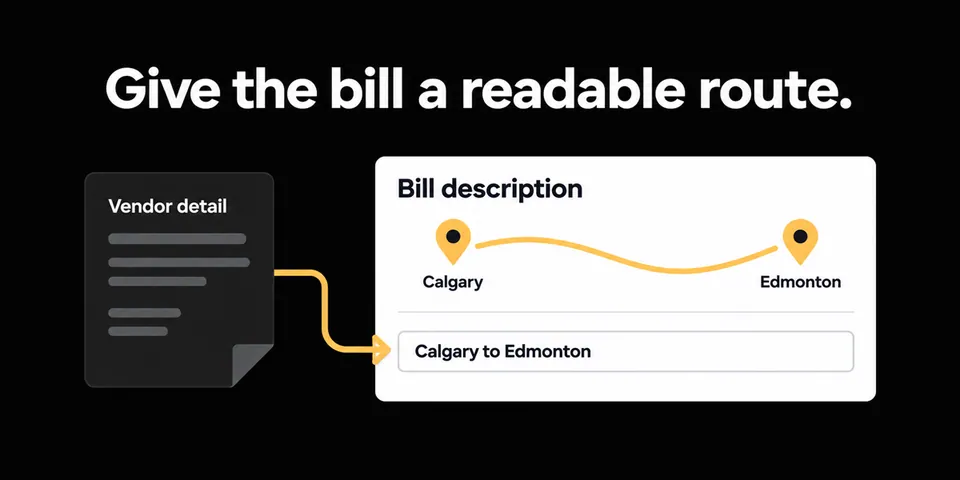
Stop typing freight. The bill needs a lane description.
Logistics bills need unique ship-to and lane narratives, not the word freight. How vendor rules draft bill descriptions beyond OCR fields.
AP in Practice
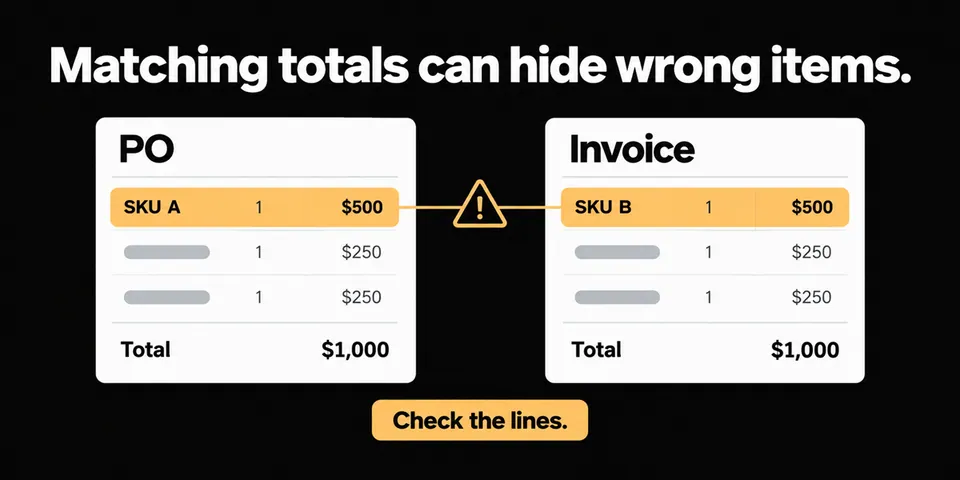
Header match said yes. Line match said the SKUs disagree.
Total only PO matching clears invoices that are wrong on every line that matters. How item by item match, UOM memory, and variance actions change the review.
AP in Practice
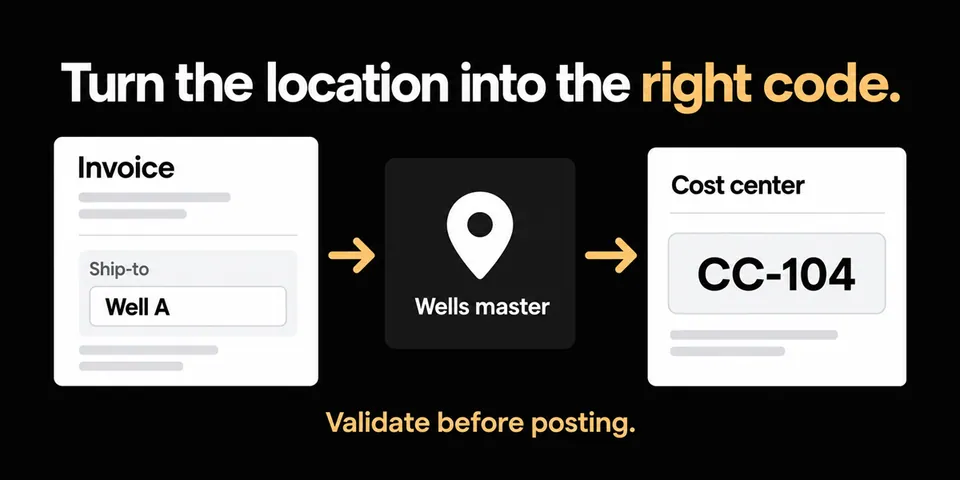
Ship-to names the well. The cost centre on the invoice is still wrong.
Oilfield invoices often print location and miss the cost centre. Why history based coding fails, and how NL rules plus a wells master cross check fix the rekey loop.
AP in Practice
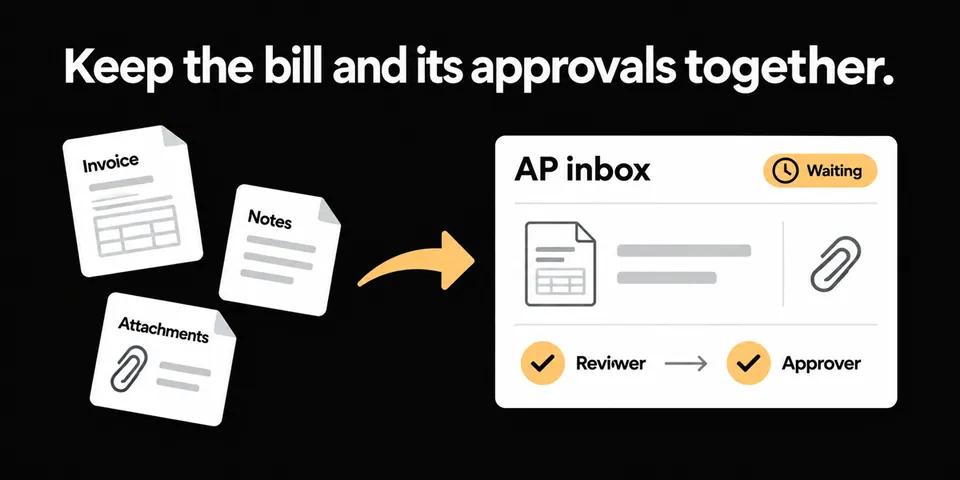
Why SharePoint is a bad AP inbox, and what to use instead
When clerks file invoices, emails, and attachments in SharePoint, approvals lose SLA age. What to use instead: one invoice object with inbox, comments, and supporting docs.
AP in Practice
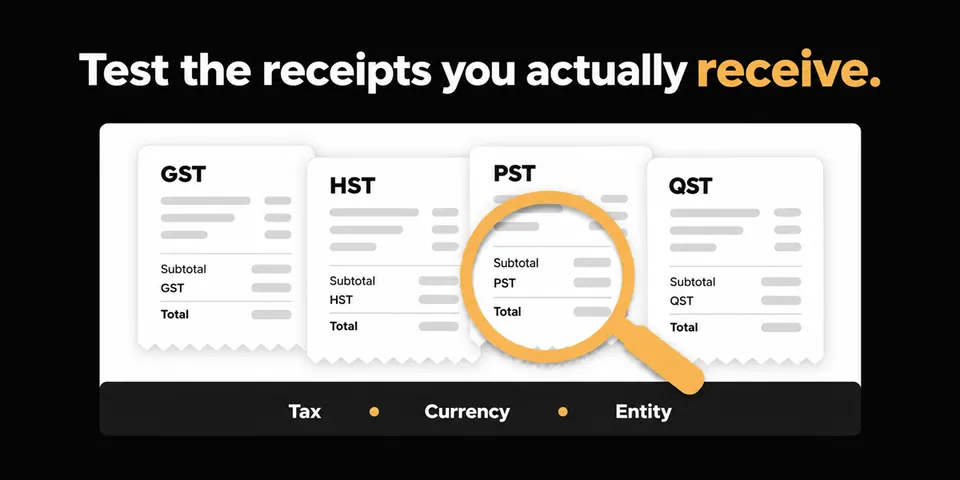
Why the AP demo looked fine and production Canadian tax still broke
Controllers burned by convincing AP demos share what fails in production: provincial tax, multi currency, two cent locks, and AI lines you delete by hand.
AP in Practice
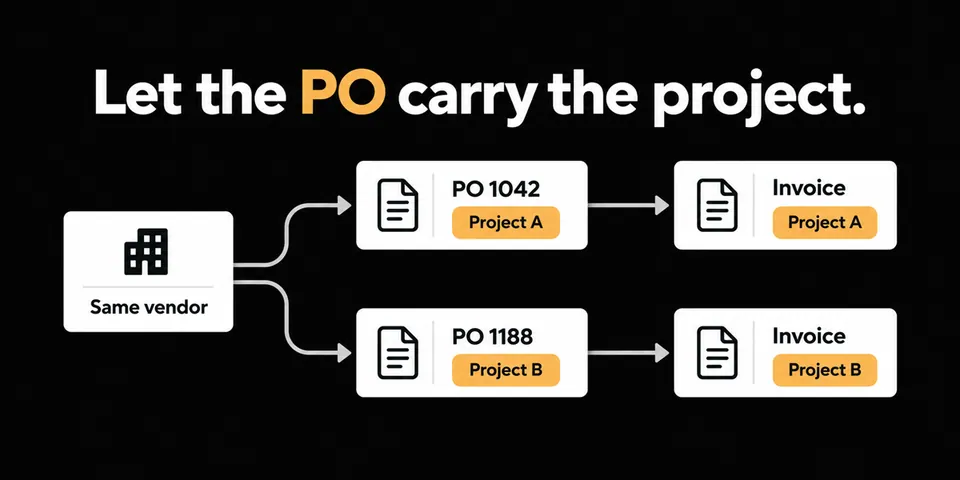
Same vendor, many projects: why coding has to ride on the PO
Repeating vendors and SKUs across jobs break memory based AP coding. Why project must live on the PO so invoices inherit job codes at match.
AP in Practice
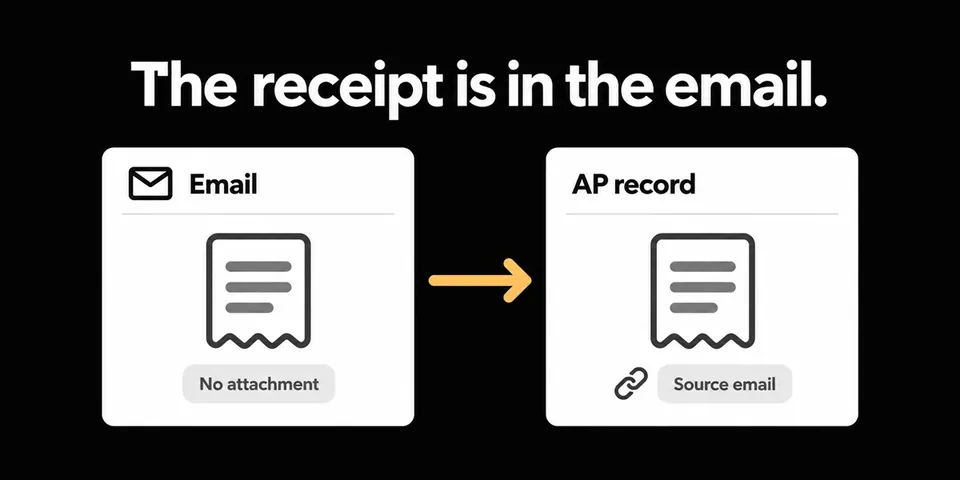
When the airline receipt is only in the email body
Airlines often send HTML receipts with no PDF. How email body conversion and sender based routing keep attachment less documents in the AP pipeline.
AP in Practice
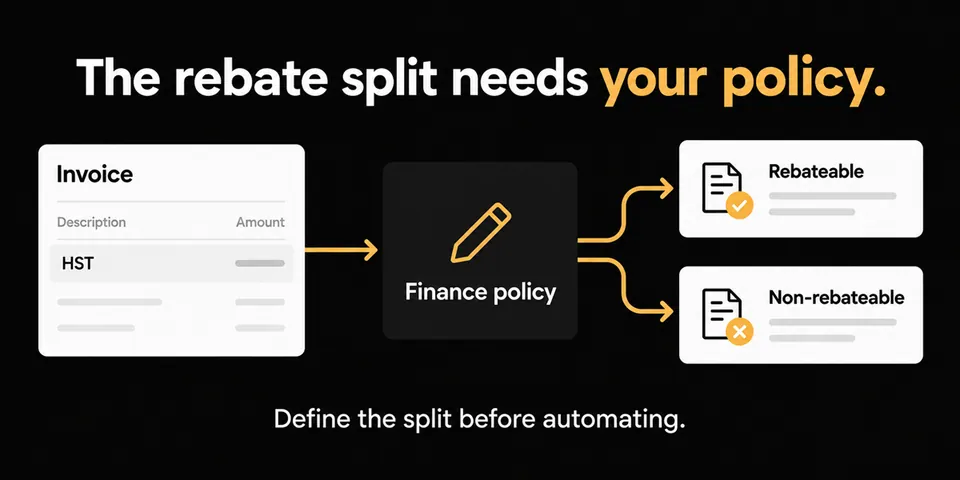
Why nonprofit HST and PSB rebate splits will not invent themselves
Invoices print ordinary HST. Canadian PSB rebates need a policy split OCR cannot see. What to automate, what to configure, and which CRA factors to verify.
AP in Practice
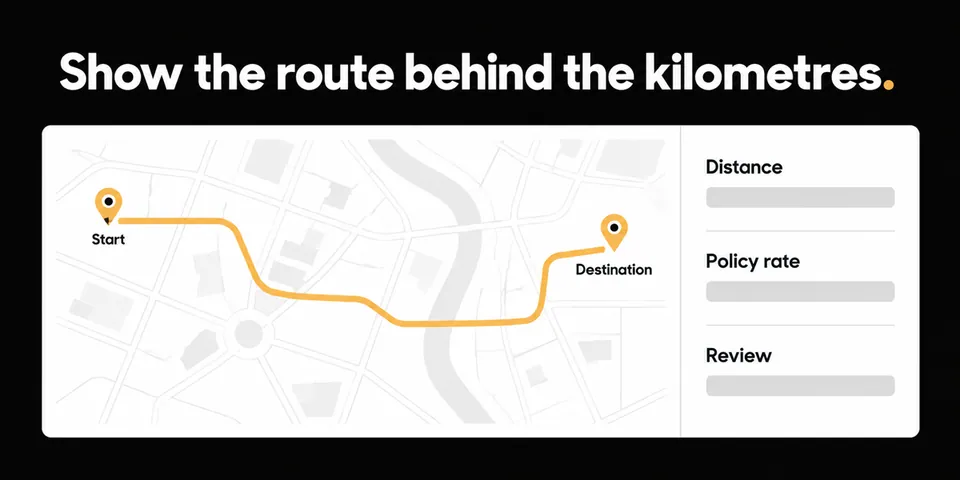
When mileage was a guess, and approvers could not see the route
Flat kilometre entry hides audit risk. How address search, map paths, and configured rates help approvers see the route, plus CRA 2026 rate context.
AP in Practice
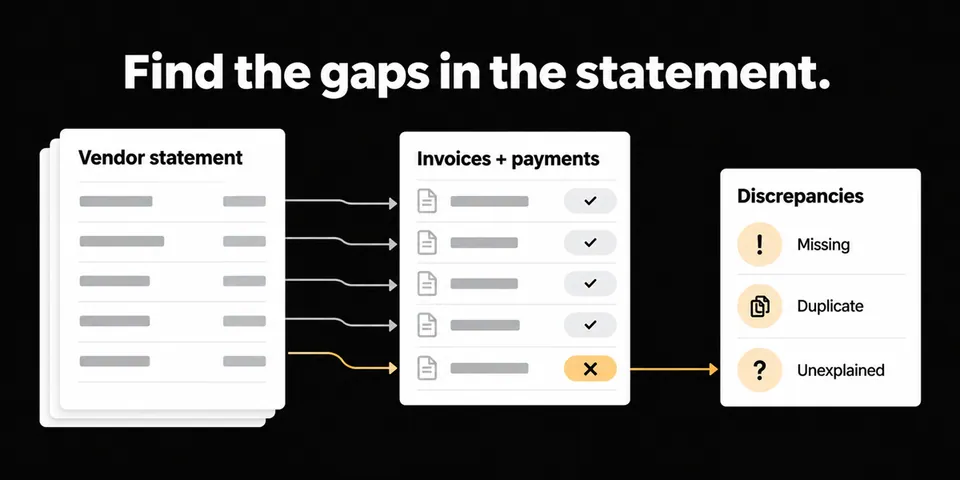
How a 300-page vendor statement gets matched before lunch
Vendor statements are control documents, not invoices. How multi-page hotel and supplier statements get matched to invoices and payments, with a discrepancy view you can share.
AP in Practice
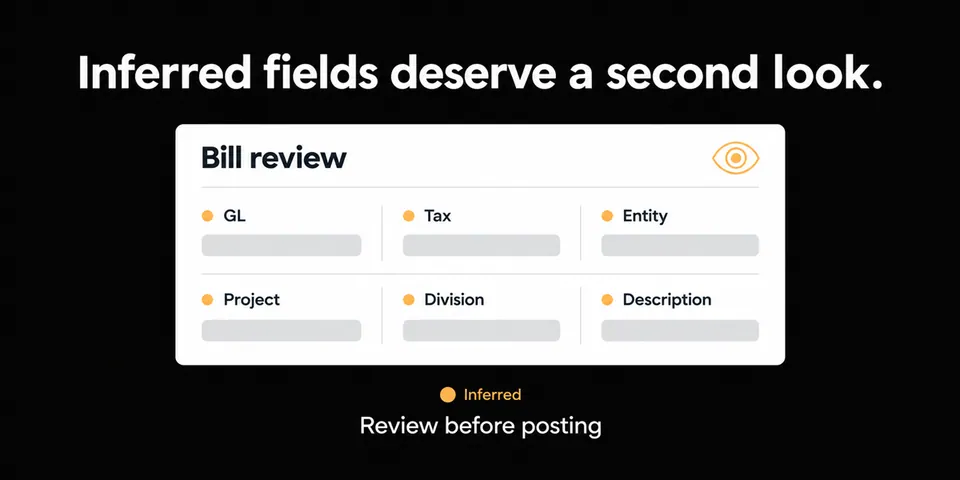
When AI fills six fields by resemblance, read them before you post
Inferred AP coding can copy messy history. Why resemblance fills need labels, how explicit vendor rules differ from guesses, and what to ask before you trust auto-coding.
AP in Practice
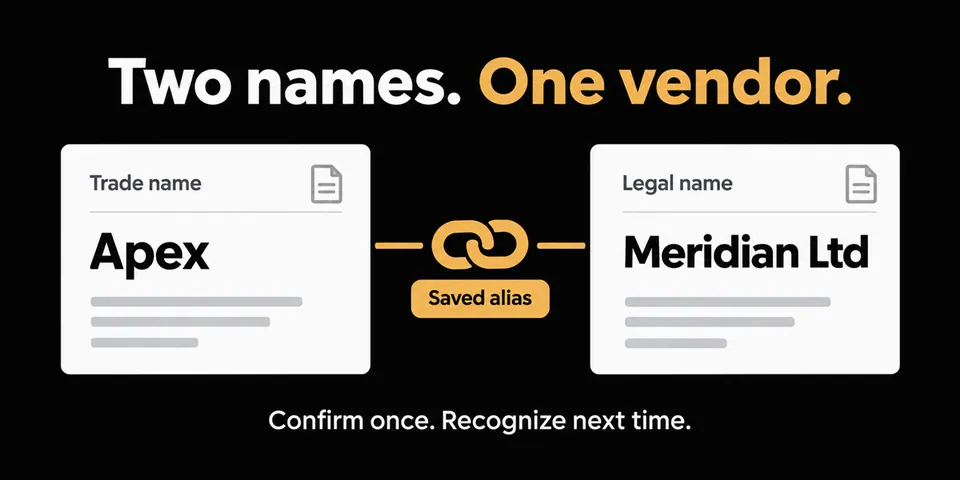
Trade name on the invoice, legal name in the vendor file
OCR reads the trade name; your DMS holds the legal name. Why vendor aliases are a teach-once clerk-time fix, and why auto-merge is the wrong shortcut.
AP in Practice
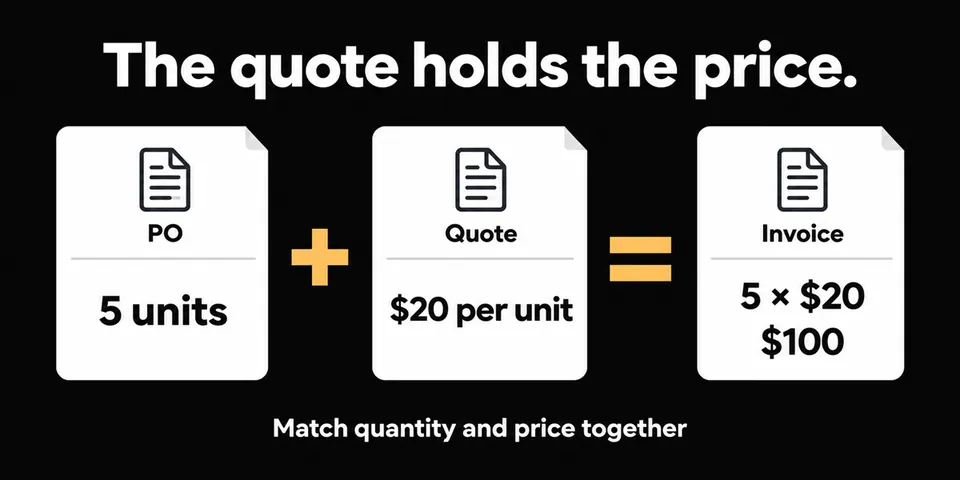
When the PO has quantities and the quote has the prices
Qty-only purchase orders break total-only match. How quote, PO, and invoice need to travel as a bundle when price authority starts on the quote.