Newest posts
- Why employees do not use expense apps, and what to do instead
- When PST shows up, put it on the product account
- When the division code is buried inside the vendor account number
- The card matched. Finance still chased the receipt.
- When one PDF holds twenty-three invoices
- Stop typing freight. The bill needs a lane description.
- Header match said yes. Line match said the SKUs disagree.
- Ship-to names the well. The cost centre on the invoice is still wrong.
- Why SharePoint is a bad AP inbox, and what to use instead
- Why the AP demo looked fine and production Canadian tax still broke
- Same vendor, many projects: why coding has to ride on the PO
- When the airline receipt is only in the email body
- Why nonprofit HST and PSB rebate splits will not invent themselves
- When mileage was a guess, and approvers could not see the route
- How a 300-page vendor statement gets matched before lunch
- When AI fills six fields by resemblance, read them before you post
- Trade name on the invoice, legal name in the vendor file
- When the PO has quantities and the quote has the prices
- When the price list drops after the PO, pay the lower amount
- Why expense reimbursements fail when they ride inside payroll
- Why a UPS invoice is a tax map, not one tax code
- Thirteen entities, one login, without the incognito dance
- Get rid of the paper PO books so the owner can stop chasing
- Hold uncertain invoice reads before a manager ever sees them
- Print, walk the office, scan, key: why cardboard boxes are optional
- Same invoice twice, and the metadata looks forged
- When the invoice is one number and the accounting math lives in a spreadsheet
- Why AP automation gets Canadian tax wrong, and how to test for it before you buy
- When five invoices arrive as one PDF and the tool cannot split them
- Why Expense Management Breaks in the Handoffs
- What Is 3-Way PO Matching and Why It Matters
- AP Automation for Manufacturing: Unique Challenges & Solutions
- Foreign Currency Expenses Without the Spreadsheet Math
- Solving the Missing Receipt Problem
- From Receipt Chaos to GL Ready Entries
- Spend Policy Checks Before the Approver
- One Approval Inbox for Invoices and Expenses
- Reimbursements Are Just Payables
- Card Statements That Actually Tie Out
- Receipts by Text: Capture Without the Chase
- Fix Expense Management Without Switching Card Programs
- Built in Canada vs Supported in Canada: What the Difference Means for Your AP Workflow
- PIPEDA, Provincial Privacy Law, and Your AP Workflow: What Finance Should Actually Know
- Why Foreign AP Tools Create Friction for Canadian Regulated and Public Sector Adjacent Work
- Where Does Your AP Data Actually Live? Questions to Ask Your Vendor Stack
- Data Residency Is Now a Procurement Question: What Canadian Finance Teams Get Asked
- Catching Tax Variances Before the ERP, Not After the Close
- GST, HST, PST, and QST on One Invoice: Handling Multi Province Vendors Without Manual Review
- The Tax Rounding Problem: Why Pennies Multiply Into Month End Cleanup
- Self Assessed Tax on Cross Border Purchases: The AP Gap Most Finance Teams Miss
- Why Canadian Invoice Tax Breaks at the Header Level (and How Line Level Capture Fixes It)
- The Hidden Cost of Open Ended Blanket POs (and How to Close Them)
- Blanket PO Governance: Who Can Release, Who Approves, Who Owns the Limit
- Blanket POs for Services: Why They Need a Different Approval Model
- Blanket POs for Indirect Spend and MRO: A Practical Setup Guide
- Managing Blanket PO Expirations Before They Disrupt Operations
- Three Way Matching on Blanket PO Releases: What Breaks and How to Fix It
- Releases and Call Offs Against Blanket POs: Workflow Design Guide
- Setting Blanket PO Limits and Tracking Consumption Against Them
- Blanket PO vs Standard PO vs Contract: Choosing the Right Procurement Instrument
- Blanket POs Explained: When They Help and When They Hurt
- Year End Supplier Credit Reconciliation: What to Clear Before Books Close
- Returns, RMAs, and Credit Triggers: Closing the Loop Between Receiving and AP
- Duplicate Payment Recovery: Turning AP Errors Into Credit Reclamation
- Volume Rebates and Earned Discounts: How They Show Up as Supplier Credits
- Reconciling Supplier Credits Against Vendor Statements
- The Aging Supplier Credit Problem: When Old Credits Become a Write Off Risk
- Credit Notes, Debit Memos, and Supplier Credits: Terminology That Trips Up AP
- Recovering Unclaimed Supplier Credits: A CFO's Recovery Audit Playbook
- How to Track and Apply Supplier Credits: A Practical AP Workflow Guide
- Why Supplier Credits Are the Most Commonly Missed Working Capital Source
- Strategic Vendor Reviews: The Quarterly Check Finance Should Run With Procurement
- Vendor Termination and Offboarding: The Workflow Most Teams Don't Have
- Vendor Master Governance Across Entities: One Vendor, Many Books
- Vendor Statement Reconciliation: Closing the Loop With Your Suppliers
- Ongoing Vendor Compliance: Beyond One Time KYC at Onboarding
- Detecting Vendor Banking Changes That Shouldn't Be Trusted
- Managing Inactive Vendors: When to Archive, When to Remove
- Vendor Master Cleanup and Deduplication: A Step by Step Approach
- Single Source Supplier Dependencies: The Continuity Risk Hiding in Your Spend
- Vendor Concentration Risk: What CFOs Should Track and Report
- Building Vendor Performance Scorecards That Finance Actually Uses
- Vendor Risk Management Beyond Sanctions Screening
- Vendor Segmentation: Strategic, Operational, and Transactional Tiers
- Designing a Vendor Onboarding Process That Scales With Your Business
- Vendor Master Data: The Foundation of Reliable AP and Reporting
- Vendor Insurance and Certification Tracking Through Contract Management
- Contract Audits Before Year End: A Practical Checklist for Controllers
- Building a Contract Calendar: Forward Visibility for Finance Teams
- Centralizing Contract Data Across Entities and Acquisitions
- Pricing Escalator Clauses: How They Quietly Inflate Spend Over Time
- Multi Year Commitments and Their Impact on Working Capital Planning
- Termination Clauses and Notice Periods: The Hidden Risks in Your Contracts
- MSAs vs SOWs: A Finance Operator's Guide to the Difference That Matters
- SaaS Contract Sprawl: How Finance Can Regain Control of Subscription Spend
- The Contract Repository: The Foundation Most Finance Teams Skip
Payment Rail Systems posts

Payment Rail Systems
ZAHAV and MASAV Faster Payments: A Comprehensive Guide
In this article, we provide a comprehensive guide to ZAHAV and MASAV, Israel's advanced faster payment systems. We'll discuss their features, benefits, and how they facilitate rapid, secure financial transactions. Learn how these systems enhance payment efficiency and security in Israel's financial landscape.

Payment Rail Systems
What is a Payment Rail?
Often in the banking world, the term “payment rail” is mentioned. While the concept might be vaguely understood, pinpointing its exact nature can be elusive. You recognize its role in facilitating money transfers across various scenarios, yet the specifics of how these rails function might elude you. You might ponder the distinctions between making payments through a fintech platform like Finofo and executing a wire transfer via a bank.

Payment Rail Systems
What Are Pre-Authorized Debits and How Do They Work?
Pre-authorized debits (PADs) offer a convenient and efficient way for individuals and businesses to manage recurring payments. By allowing authorized withdrawals directly from bank accounts, PADs streamline the payment process for regular expenses such as utilities, subscriptions, or loan installments. This article delves into the mechanics of PADs, exploring their benefits, setup procedures, and how they can enhance financial management by ensuring timely payments and reducing manual transaction efforts.

Payment Rail Systems
The role of DuitNow in Malaysia’s Payment Ecosystem
In this article, we explore DuitNow, Malaysia's innovative payment network. We'll discuss its key features, benefits, and how it is revolutionizing financial transactions across the country. Learn how DuitNow enhances payment efficiency and security, making it a vital component of Malaysia’s financial infrastructure.

Payment Rail Systems
The Role of CHAPS in the UK
The Clearing House Automated Payment System (CHAPS) is a high-value payment system in the UK, primarily used for large, time-critical transactions. Renowned for its reliability and efficiency, CHAPS is often employed for significant financial exchanges like property purchases or large corporate transfers, providing same-day settlement as long as instructions are received within the cut-off time.

Payment Rail Systems
The Story of UPI: A New Era in Indian Transactions
Unified Payments Interface (UPI) represents a significant breakthrough in digital payment technology in India. As a system that enables instant money transfers through mobile devices, UPI has radically transformed the way Indians transact. This innovative platform allows users to link multiple bank accounts into a single mobile application, simplifying and securing various banking features

Payment Rail Systems
SEPA: Streamlining Payments Across Europe
The Single Euro Payments Area (SEPA) represents a significant step in financial integration across Europe, standardizing euro-denominated bank transfers within the EU and EEA. This article delves into SEPA's framework, its impact on European transactions, and its role in harmonizing the payment landscape.

Payment Rail Systems
The Impact of NAPAS on Vietnam's Digital Payment Landscape
In this article, we explore the NAPAS payment network, a n important system of Vietnam's digital payment infrastructure. We'll delve into its key features, benefits, and how it is transforming financial transactions across the country. Learn how Napas enhances the speed, efficiency, and security of payments, playing a crucial role in Vietnam’s economic development and digital transformation.
Payment Rail Systems
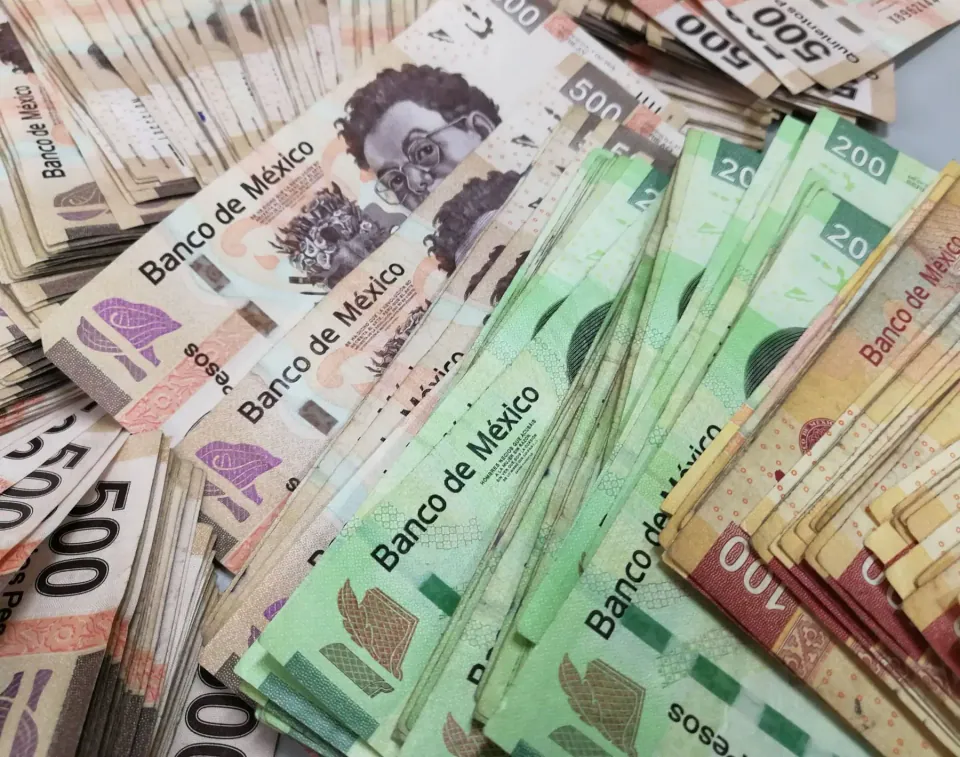
SPEI-CoDi: How Payments work in Mexico
SPEI-CoDi, standing for Sistema de Pagos Electronicos Interbancarios - Cobro Digital, is a transformative digital payment system in Mexico. It represents a significant leap forward in the country's journey towards a cashless and digitally empowered economy. SPEI-CoDi is designed to facilitate secure, efficient, and instantaneous transactions for both individuals and businesses, drastically simplifying the process of digital payments and promoting financial inclusion across the nation.

Payment Rail Systems
SIC Payment Network: The Backbone of Swiss Financial Transactions
In this article, we explore the SIC payment network in Switzerland. Discover how this system supports real-time gross settlement, its key features, benefits, and its crucial role in the Swiss financial infrastructure. Learn how SIC ensures efficient, secure, and timely transactions across the country.

Payment Rail Systems
NPP: Australia's Leap into Real-Time Payments
The New Payment Platform (NPP) in Australia marks a significant advancement in the country's financial transaction capabilities. This innovative infrastructure allows for instantaneous money transfers between accounts across different financial institutions, 24/7. NPP is designed to enhance the speed, flexibility, and convenience of payments, supporting not just rapid fund transfers but also providing options for more detailed transaction descriptions.

Payment Rail Systems
RIX-RTGS and RIX-INST: Exploring Sweden's Payment Systems
In this article, we explore Sweden's advanced payment systems: RIX-RTGS and RIX-INST. We'll understand their unique features, benefits, and how they serve the Swedish financial infrastructure.

Payment Rail Systems
PromptPay: Transforming Digital Payments in Thailand
In this article, we explore PromptPay, Thailand's revolutionary digital payment solution. We'll discuss its key features, benefits, and how it is transforming financial transactions across the country. Discover how PromptPay enhances the speed, efficiency, and security of payments, making it an integral part of Thailand’s financial infrastructure.

Payment Rail Systems
PESONet: Enhancing Payments in the Philippines
In this article, we explore PESONet, the electronic fund transfer system in the Philippines. We'll discuss its key features, benefits, and how it is revolutionizing financial transactions across the country. Discover how PESONet enhances payment efficiency and security, making it an integral part of the Philippines' financial infrastructure.

Payment Rail Systems
Interac Transfer in Action for Canadian Business
In the realm of Canadian finance, Interac transfers have become a keystone, offering a swift and secure method for electronic money transfers. This article delves into the nuances of using Interac, exploring its role in facilitating everyday financial transactions for businesses. We'll uncover the key features that make Interac a popular choice in Canada, including its ease of use, real-time processing, and robust security measures.

Payment Rail Systems
InstaPay: Transforming Financial Transactions in the Philippines
In this article, we delve into InstaPay, the instant payment system in the Philippines. We'll discuss its key features, benefits, and how it is transforming financial transactions across the country. Discover how InstaPay enhances payment efficiency and security, making it a crucial part of the Philippines' financial infrastructure.

Payment Rail Systems
How does the US Dollar RTGS System work in Hong Kong?
In this article, we explore how the US Dollar RTGS System operates in Hong Kong. We'll delve into its features, benefits, and the mechanics of its operation, highlighting how it ensures efficient and secure real-time gross settlements for US dollar transactions in the region. Discover the system's critical role in supporting Hong Kong's financial infrastructure and maintaining the integrity of its payment processes.

Payment Rail Systems
Faster Payments in the UK: A Quick Glimpse
Faster Payments Service (FPS) has transformed the financial transaction landscape in the UK, offering an expedited means of transferring money electronically. This system allows individuals and businesses to make and receive payments almost instantaneously, breaking the traditional barriers of time-consuming bank transfers. This article delves into the workings of Faster Payments, exploring how it enhances transactional efficiency in today's fast-paced economic environment.