Newest posts
- Why employees do not use expense apps, and what to do instead
- When PST shows up, put it on the product account
- When the division code is buried inside the vendor account number
- The card matched. Finance still chased the receipt.
- When one PDF holds twenty-three invoices
- Stop typing freight. The bill needs a lane description.
- Header match said yes. Line match said the SKUs disagree.
- Ship-to names the well. The cost centre on the invoice is still wrong.
- Why SharePoint is a bad AP inbox, and what to use instead
- Why the AP demo looked fine and production Canadian tax still broke
- Same vendor, many projects: why coding has to ride on the PO
- When the airline receipt is only in the email body
- Why nonprofit HST and PSB rebate splits will not invent themselves
- When mileage was a guess, and approvers could not see the route
- How a 300-page vendor statement gets matched before lunch
- When AI fills six fields by resemblance, read them before you post
- Trade name on the invoice, legal name in the vendor file
- When the PO has quantities and the quote has the prices
- When the price list drops after the PO, pay the lower amount
- Why expense reimbursements fail when they ride inside payroll
- Why a UPS invoice is a tax map, not one tax code
- Thirteen entities, one login, without the incognito dance
- Get rid of the paper PO books so the owner can stop chasing
- Hold uncertain invoice reads before a manager ever sees them
- Print, walk the office, scan, key: why cardboard boxes are optional
- Same invoice twice, and the metadata looks forged
- When the invoice is one number and the accounting math lives in a spreadsheet
- Why AP automation gets Canadian tax wrong, and how to test for it before you buy
- When five invoices arrive as one PDF and the tool cannot split them
- Why Expense Management Breaks in the Handoffs
- What Is 3-Way PO Matching and Why It Matters
- AP Automation for Manufacturing: Unique Challenges & Solutions
- Foreign Currency Expenses Without the Spreadsheet Math
- Solving the Missing Receipt Problem
- From Receipt Chaos to GL Ready Entries
- Spend Policy Checks Before the Approver
- One Approval Inbox for Invoices and Expenses
- Reimbursements Are Just Payables
- Card Statements That Actually Tie Out
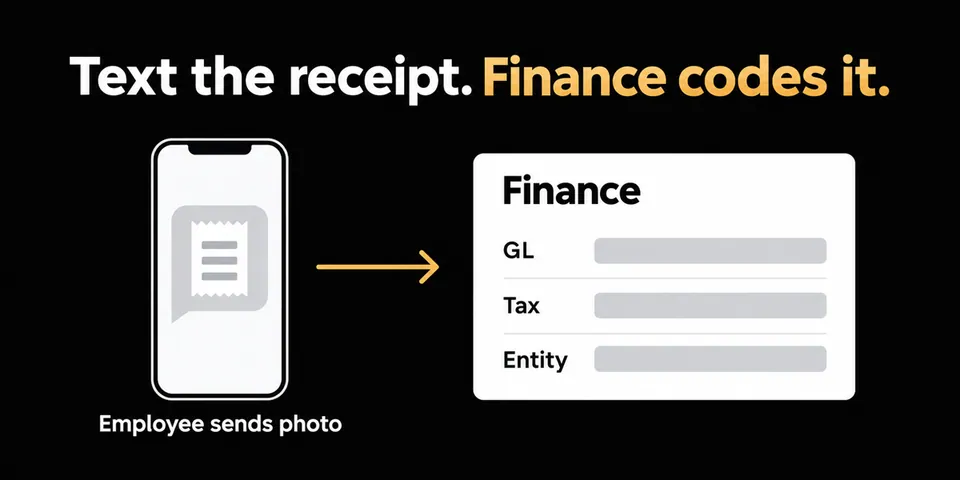
- Receipts by Text: Capture Without the Chase
- Fix Expense Management Without Switching Card Programs
- Built in Canada vs Supported in Canada: What the Difference Means for Your AP Workflow
- PIPEDA, Provincial Privacy Law, and Your AP Workflow: What Finance Should Actually Know
- Why Foreign AP Tools Create Friction for Canadian Regulated and Public Sector Adjacent Work
- Where Does Your AP Data Actually Live? Questions to Ask Your Vendor Stack
- Data Residency Is Now a Procurement Question: What Canadian Finance Teams Get Asked
- Catching Tax Variances Before the ERP, Not After the Close
- GST, HST, PST, and QST on One Invoice: Handling Multi Province Vendors Without Manual Review
- The Tax Rounding Problem: Why Pennies Multiply Into Month End Cleanup
- Self Assessed Tax on Cross Border Purchases: The AP Gap Most Finance Teams Miss
- Why Canadian Invoice Tax Breaks at the Header Level (and How Line Level Capture Fixes It)
- The Hidden Cost of Open Ended Blanket POs (and How to Close Them)
- Blanket PO Governance: Who Can Release, Who Approves, Who Owns the Limit
- Blanket POs for Services: Why They Need a Different Approval Model
- Blanket POs for Indirect Spend and MRO: A Practical Setup Guide
- Managing Blanket PO Expirations Before They Disrupt Operations
- Three Way Matching on Blanket PO Releases: What Breaks and How to Fix It
- Releases and Call Offs Against Blanket POs: Workflow Design Guide
- Setting Blanket PO Limits and Tracking Consumption Against Them
- Blanket PO vs Standard PO vs Contract: Choosing the Right Procurement Instrument
- Blanket POs Explained: When They Help and When They Hurt
- Year End Supplier Credit Reconciliation: What to Clear Before Books Close
- Returns, RMAs, and Credit Triggers: Closing the Loop Between Receiving and AP
- Duplicate Payment Recovery: Turning AP Errors Into Credit Reclamation
- Volume Rebates and Earned Discounts: How They Show Up as Supplier Credits
- Reconciling Supplier Credits Against Vendor Statements
- The Aging Supplier Credit Problem: When Old Credits Become a Write Off Risk
- Credit Notes, Debit Memos, and Supplier Credits: Terminology That Trips Up AP
- Recovering Unclaimed Supplier Credits: A CFO's Recovery Audit Playbook
- How to Track and Apply Supplier Credits: A Practical AP Workflow Guide
- Why Supplier Credits Are the Most Commonly Missed Working Capital Source
- Strategic Vendor Reviews: The Quarterly Check Finance Should Run With Procurement
- Vendor Termination and Offboarding: The Workflow Most Teams Don't Have
- Vendor Master Governance Across Entities: One Vendor, Many Books
- Vendor Statement Reconciliation: Closing the Loop With Your Suppliers
- Ongoing Vendor Compliance: Beyond One Time KYC at Onboarding
- Detecting Vendor Banking Changes That Shouldn't Be Trusted
- Managing Inactive Vendors: When to Archive, When to Remove
- Vendor Master Cleanup and Deduplication: A Step by Step Approach
- Single Source Supplier Dependencies: The Continuity Risk Hiding in Your Spend
- Vendor Concentration Risk: What CFOs Should Track and Report
- Building Vendor Performance Scorecards That Finance Actually Uses
- Vendor Risk Management Beyond Sanctions Screening
- Vendor Segmentation: Strategic, Operational, and Transactional Tiers
- Designing a Vendor Onboarding Process That Scales With Your Business
- Vendor Master Data: The Foundation of Reliable AP and Reporting
- Vendor Insurance and Certification Tracking Through Contract Management
- Contract Audits Before Year End: A Practical Checklist for Controllers
- Building a Contract Calendar: Forward Visibility for Finance Teams
- Centralizing Contract Data Across Entities and Acquisitions
- Pricing Escalator Clauses: How They Quietly Inflate Spend Over Time
- Multi Year Commitments and Their Impact on Working Capital Planning
- Termination Clauses and Notice Periods: The Hidden Risks in Your Contracts
- MSAs vs SOWs: A Finance Operator's Guide to the Difference That Matters
- SaaS Contract Sprawl: How Finance Can Regain Control of Subscription Spend
- The Contract Repository: The Foundation Most Finance Teams Skip
Accounting Software Reviews posts

Accounting Software Reviews
Will Xero solve your multi-currency transaction problems?
Xero, a dynamic player in cloud-based accounting software, has rapidly grown its customer base, particularly among small and medium-sized businesses. It stands out for its flexibility and user-friendly interface, making financial management accessible and efficient.

Accounting Software Reviews
QuickBooks Multi-Currency Accounting: Everything You Need to Know
QuickBooks, with its impressive user base surpassing 7 million in North America, has become a staple in modern business financial management. Esteemed for its intuitive design and comprehensive suite of features, QuickBooks adeptly caters to a range of business needs, from managing intricate payroll systems to streamlining complex invoicing processes. This widespread popularity underscores its effectiveness in simplifying financial tasks for businesses of all sizes.

Accounting Software Reviews
Is Oracle NetSuite the right multi-currency accounting tool for SMBs?
"It's a great tool, but not for everyone," is the candid feedback often heard when discussing Oracle NetSuite. Oracle, ranking as the third most popular software company globally, offers NetSuite – a cloud-based Enterprise Resource Planning (ERP) software that integrates various business functions.

Accounting Software Reviews
Is Enabling Multi-Currency Simple or Complex? Comparing QuickBooks and Sage
In today's globalized business environment, the ability to efficiently manage multi-currency transactions is crucial. This article compares how to enable multi-currency functionalities of leading accounting platforms – QuickBooks, Xero, and Sage.

Accounting Software Reviews
Invoicing features of QuickBooks Online & Xero
In the realm of modern accounting software, the ease and efficiency of generating invoices are pivotal. Both Xero and QuickBooks Online (QBO) have carved out a niche in this area, offering user-friendly solutions to create professional and customized invoices.

Accounting Software Reviews
Adding Vendors and Managing Expenses in QuickBooks and Xero
Navigating the global marketplace demands robust multicurrency accounting features. This article will guide you through adding vendors and tracking expenses in QuickBooks, Sage, and Xero, highlighting how these platforms can be leveraged to streamline your international financial dealings.

Accounting Software Reviews
All you need to know about Sage Business Cloud
Sage Group, the parent company behind Sage Accounting and Sage Intacct, is a global leader in software solutions for businesses. What is Sage Accounting? Sage Business Cloud Accounting is a software tailored for small businesses, startups, and self-employed individuals. It offers intuitive and simple solutions for managing finances, including invoicing, cash flow tracking, and compliance management.

Accounting Software Reviews
A Comprehensive Comparison of Sage Intacct, Xero, and QuickBooks Online
In the world of accounting software, choosing the right platform can be a pivotal decision for any business. This article offers a detailed comparison of Sage Intacct, Xero, and QuickBooks Online, focusing on their pricing structures and feature sets. We’ll delve into what each platform offers, helping you determine which software aligns best with your business needs and budget.

Accounting Software Reviews
Adding Dual Foreign Currency Transactions in QuickBooks
Switching to multi-currency mode in QuickBooks is a straightforward process, designed to be user-friendly for businesses engaging in international transactions. QuickBooks provides excellent support to help customers make this transition smoothly, offering guidance through their customer service and comprehensive Knowledge Base resources.