Newest posts
- Why employees do not use expense apps, and what to do instead
- When PST shows up, put it on the product account
- When the division code is buried inside the vendor account number
- The card matched. Finance still chased the receipt.
- When one PDF holds twenty-three invoices
- Stop typing freight. The bill needs a lane description.
- Header match said yes. Line match said the SKUs disagree.
- Ship-to names the well. The cost centre on the invoice is still wrong.
- Why SharePoint is a bad AP inbox, and what to use instead
- Why the AP demo looked fine and production Canadian tax still broke
- Same vendor, many projects: why coding has to ride on the PO
- When the airline receipt is only in the email body
- Why nonprofit HST and PSB rebate splits will not invent themselves
- When mileage was a guess, and approvers could not see the route
- How a 300-page vendor statement gets matched before lunch
- When AI fills six fields by resemblance, read them before you post
- Trade name on the invoice, legal name in the vendor file
- When the PO has quantities and the quote has the prices
- When the price list drops after the PO, pay the lower amount
- Why expense reimbursements fail when they ride inside payroll
- Why a UPS invoice is a tax map, not one tax code
- Thirteen entities, one login, without the incognito dance
- Get rid of the paper PO books so the owner can stop chasing
- Hold uncertain invoice reads before a manager ever sees them
- Print, walk the office, scan, key: why cardboard boxes are optional
- Same invoice twice, and the metadata looks forged
- When the invoice is one number and the accounting math lives in a spreadsheet
- Why AP automation gets Canadian tax wrong, and how to test for it before you buy
- When five invoices arrive as one PDF and the tool cannot split them
- Why Expense Management Breaks in the Handoffs
- What Is 3-Way PO Matching and Why It Matters
- AP Automation for Manufacturing: Unique Challenges & Solutions
- Foreign Currency Expenses Without the Spreadsheet Math
- Solving the Missing Receipt Problem
- From Receipt Chaos to GL Ready Entries
- Spend Policy Checks Before the Approver
- One Approval Inbox for Invoices and Expenses
- Reimbursements Are Just Payables
- Card Statements That Actually Tie Out
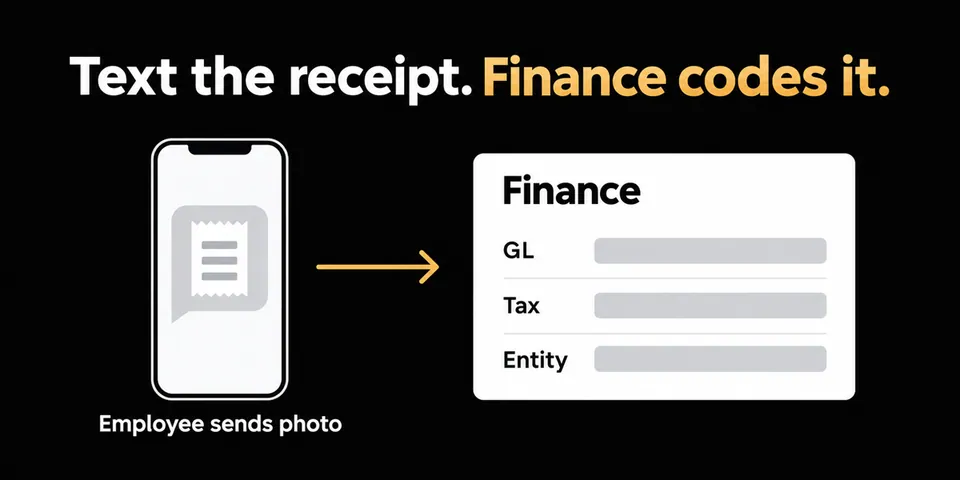
- Receipts by Text: Capture Without the Chase
- Fix Expense Management Without Switching Card Programs
- Built in Canada vs Supported in Canada: What the Difference Means for Your AP Workflow
- PIPEDA, Provincial Privacy Law, and Your AP Workflow: What Finance Should Actually Know
- Why Foreign AP Tools Create Friction for Canadian Regulated and Public Sector Adjacent Work
- Where Does Your AP Data Actually Live? Questions to Ask Your Vendor Stack
- Data Residency Is Now a Procurement Question: What Canadian Finance Teams Get Asked
- Catching Tax Variances Before the ERP, Not After the Close
- GST, HST, PST, and QST on One Invoice: Handling Multi Province Vendors Without Manual Review
- The Tax Rounding Problem: Why Pennies Multiply Into Month End Cleanup
- Self Assessed Tax on Cross Border Purchases: The AP Gap Most Finance Teams Miss
- Why Canadian Invoice Tax Breaks at the Header Level (and How Line Level Capture Fixes It)
- The Hidden Cost of Open Ended Blanket POs (and How to Close Them)
- Blanket PO Governance: Who Can Release, Who Approves, Who Owns the Limit
- Blanket POs for Services: Why They Need a Different Approval Model
- Blanket POs for Indirect Spend and MRO: A Practical Setup Guide
- Managing Blanket PO Expirations Before They Disrupt Operations
- Three Way Matching on Blanket PO Releases: What Breaks and How to Fix It
- Releases and Call Offs Against Blanket POs: Workflow Design Guide
- Setting Blanket PO Limits and Tracking Consumption Against Them
- Blanket PO vs Standard PO vs Contract: Choosing the Right Procurement Instrument
- Blanket POs Explained: When They Help and When They Hurt
- Year End Supplier Credit Reconciliation: What to Clear Before Books Close
- Returns, RMAs, and Credit Triggers: Closing the Loop Between Receiving and AP
- Duplicate Payment Recovery: Turning AP Errors Into Credit Reclamation
- Volume Rebates and Earned Discounts: How They Show Up as Supplier Credits
- Reconciling Supplier Credits Against Vendor Statements
- The Aging Supplier Credit Problem: When Old Credits Become a Write Off Risk
- Credit Notes, Debit Memos, and Supplier Credits: Terminology That Trips Up AP
- Recovering Unclaimed Supplier Credits: A CFO's Recovery Audit Playbook
- How to Track and Apply Supplier Credits: A Practical AP Workflow Guide
- Why Supplier Credits Are the Most Commonly Missed Working Capital Source
- Strategic Vendor Reviews: The Quarterly Check Finance Should Run With Procurement
- Vendor Termination and Offboarding: The Workflow Most Teams Don't Have
- Vendor Master Governance Across Entities: One Vendor, Many Books
- Vendor Statement Reconciliation: Closing the Loop With Your Suppliers
- Ongoing Vendor Compliance: Beyond One Time KYC at Onboarding
- Detecting Vendor Banking Changes That Shouldn't Be Trusted
- Managing Inactive Vendors: When to Archive, When to Remove
- Vendor Master Cleanup and Deduplication: A Step by Step Approach
- Single Source Supplier Dependencies: The Continuity Risk Hiding in Your Spend
- Vendor Concentration Risk: What CFOs Should Track and Report
- Building Vendor Performance Scorecards That Finance Actually Uses
- Vendor Risk Management Beyond Sanctions Screening
- Vendor Segmentation: Strategic, Operational, and Transactional Tiers
- Designing a Vendor Onboarding Process That Scales With Your Business
- Vendor Master Data: The Foundation of Reliable AP and Reporting
- Vendor Insurance and Certification Tracking Through Contract Management
- Contract Audits Before Year End: A Practical Checklist for Controllers
- Building a Contract Calendar: Forward Visibility for Finance Teams
- Centralizing Contract Data Across Entities and Acquisitions
- Pricing Escalator Clauses: How They Quietly Inflate Spend Over Time
- Multi Year Commitments and Their Impact on Working Capital Planning
- Termination Clauses and Notice Periods: The Hidden Risks in Your Contracts
- MSAs vs SOWs: A Finance Operator's Guide to the Difference That Matters
- SaaS Contract Sprawl: How Finance Can Regain Control of Subscription Spend
- The Contract Repository: The Foundation Most Finance Teams Skip
AI for Finance posts

AI for Finance
AI Governance for Finance Leaders: The Controls Framework Your AI Stack Needs
Deploying AI in finance without a governance framework creates audit risk, accountability gaps, and compliance exposure. Here's the framework finance leaders need before those problems surface.

AI for Finance
AI Prompts for Financial Reporting: Commentary, Narrative, and Board Language
Prompts for the hardest part of financial reporting, translating numbers into clear, authoritative language that serves boards, management teams, and investors.

AI for Finance
AI Prompts for FP&A Teams
Practical prompts for the FP&A workflows that consume the most time like variance analysis, scenario modeling, budget narratives, forecast commentary, and management pack drafting.
AI for Finance
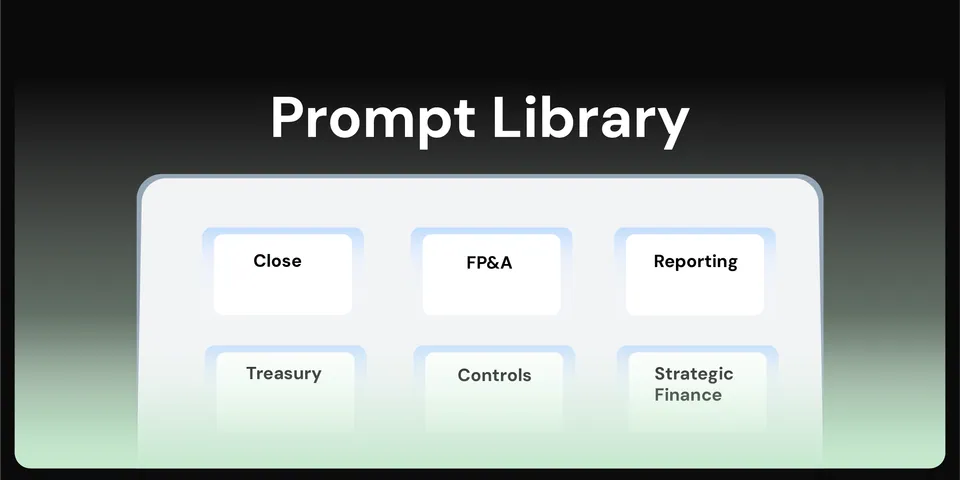
50 AI Prompts for Finance Leaders: A Cross Functional Copy-Paste Library
A practical reference library of prompts spanning close, FP&A, reporting, treasury, controls, and strategic finance. Copy, adjust for your context, and use.

AI for Finance
AI for Budget Quality Checks: Catch Errors Before the Plan Goes to Leadership
Budget errors discovered in the board review cost more than budget errors caught during preparation. AI can run systematic quality checks across the full model before anyone senior sees it.
AI for Finance
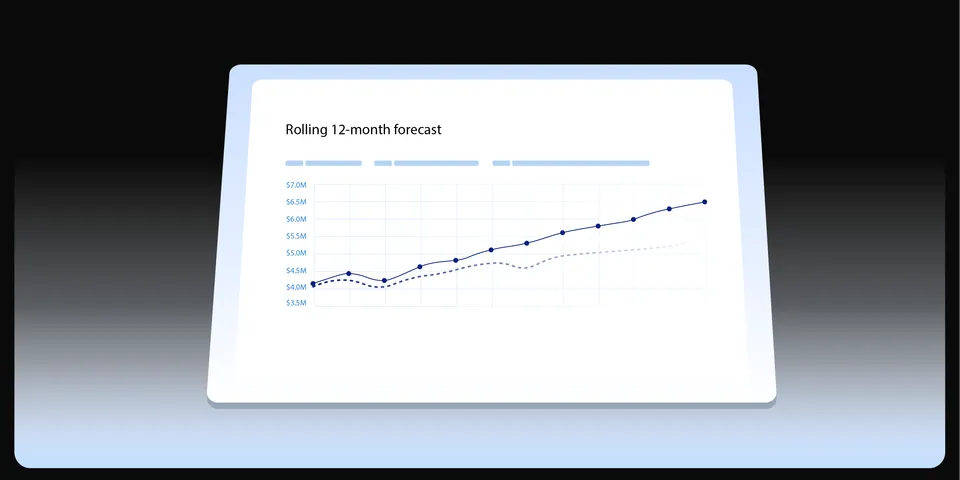
AI for Rolling Forecasts: How to Reforecast Continuously Without Rebuilding Every Month
Rolling forecasts are better than annual budgets in theory. In practice, most finance teams cannot maintain them because the rebuild cost is too high. AI changes that equation.

AI for Finance
AI for Price Volume Mix Analysis: Automate the Decomposition, Own the Insight
PVM analysis is one of the most useful tools in FP&A. It is also one of the most time consuming to build manually. AI automates the decomposition so analysts can focus on interpreting what drove the result.

AI for Finance
AI for Supplier Risk Review: What Finance Should Be Watching Beyond the Invoice
Supplier risk lives in the supply chain conversation. It should also live in the finance conversation because a supplier failure or concentration problem shows up in the P&L before it shows up in the board pack.

AI for Finance
AI for Expense Policy Compliance: How to Enforce T&E Rules Without Manual Review
Expense policy violations are caught inconsistently in manual review. AI reviews every claim against policy before reimbursement so enforcement is systematic, not dependent on who reviewed the report.

AI for Finance
AI for Financial Obligation Management: Map Your Committed Spend Before It Maps You
Leases, software contracts, earn outs, debt covenants, and committed purchase agreements are financial obligations. Most finance teams do not have a complete, current register of what the business is committed to paying. AI builds that register and keeps it current.

AI for Finance
AI for CapEx Review: From Investment Case to Post Investment Accountability
Capital investment decisions are made on projected returns. Most organizations never systematically verify whether those returns materialized. AI closes the loop from investment case to post investment review.

AI for Finance
AI for Spend Analytics: How Finance and Procurement Build Shared Visibility on Committed Spend
Finance and procurement often work from different data sets on the same spend question. AI creates a shared spend analytics layer that connects budget commitments, contract obligations, and actual AP data into one coherent view.

AI for Finance
AI Cash Flow Forecasting for Finance Teams: A Practical Workflow Guide
Cash forecasting gets more useful when finance can see timing shifts earlier, refresh the first draft faster, and separate real liquidity pressure from spreadsheet lag.

AI for Finance
AI for AR Collections: How to Prioritize Outreach and Reduce DSO
Collections teams prioritize from aging reports. AI scores every open account by payment probability and surfaces the highest risk balances first so outreach effort goes where it will have the most impact.

AI for Finance
AI for FX Exposure Forecasting: A Practical Guide for Finance Teams
Most mid-market treasury teams manage FX exposure after the fact. AI makes it possible to map and forecast exposure forward, so hedging decisions are proactive rather than reactive.

AI for Finance
AI for Non Standard Journal Entry Review: The Close Task Still Worth Scrutinizing
Automated GL review catches pattern based errors at scale. Non standard journal entry review is a different task scrutinizing the manual adjustments and management initiated entries that fall outside what anomaly detection handles well.

AI for Finance
AI for Audit Prep: Faster PBC Responses and Cleaner Evidence Packages
PBC lists arrive. Finance teams spend weeks locating documents, matching requests, and tracking completion. Most of that work is coordination and retrieval, not judgment. Here's how AI takes the retrieval burden off the team.

AI for Finance
AI for Finance Business Partners: Spend Less Time on Data, More Time on Decisions
Finance business partnering is supposed to be about sitting at the table with commercial leaders and helping the business make better decisions. In practice, most FBPs spend the majority of their time building reports that describe what already happened.